

The economy in Europe, including Poland, must be prepared that if the crisis in the Red Sea continues, its consequences will affect us too – says Przemysław Hołowacz, director of development at the CSL Group, a member of the Northern Economic Chamber in Szczecin, and the Poland-Asia Industrial and Commercial Chamber. The crisis is causing a rise in sea freight prices, but it’s less noticeable for the end consumers of goods because in 2021 – at the peak of the pandemic crisis – freight prices were even higher.
As market experts in TSL say, the current situation is becoming burdensome for logistics worldwide, and the crisis in the Red Sea means a blockade of free transport flow, which must reflect on global trade.
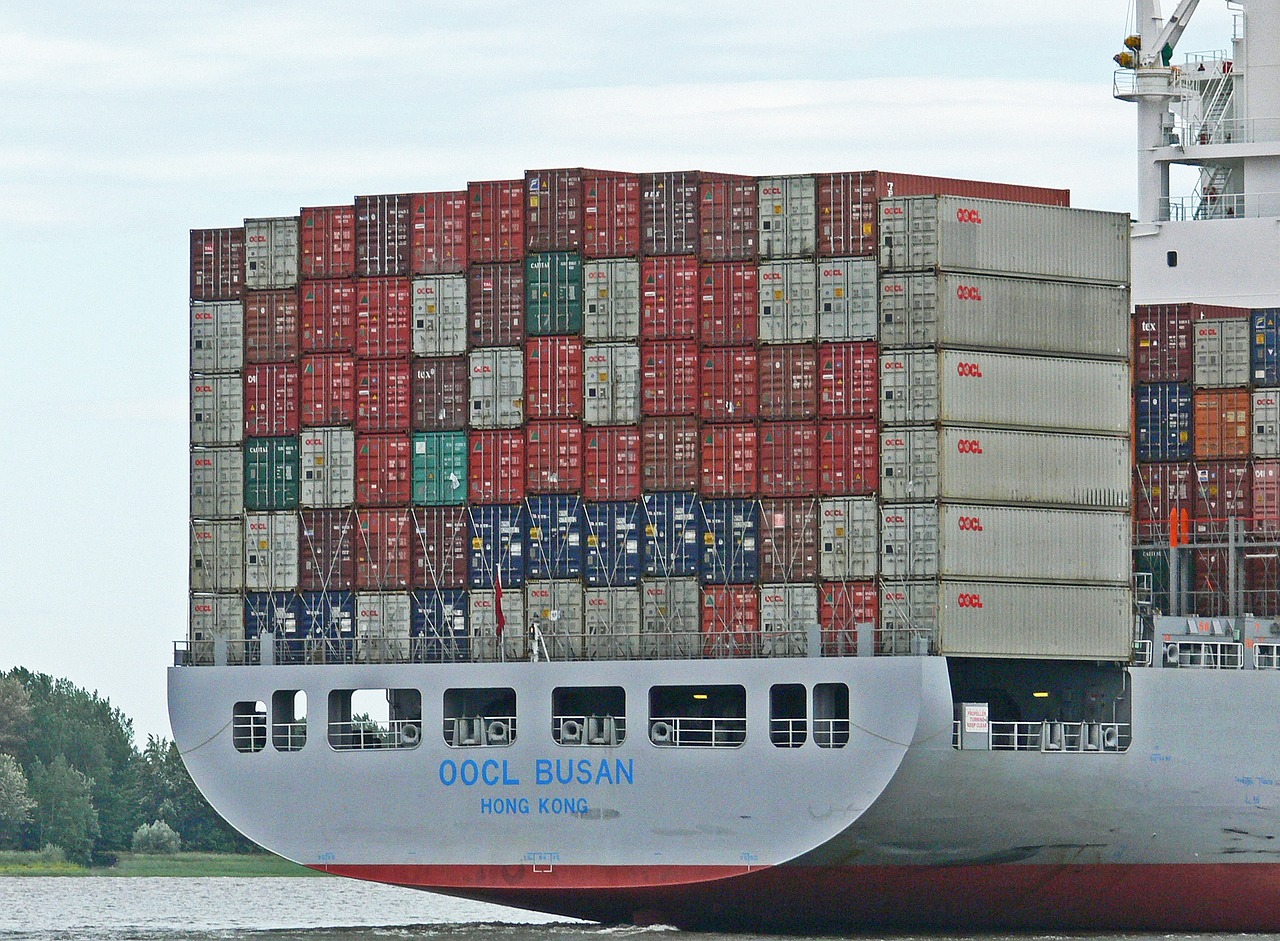
For several weeks, Yemeni Houthi rebels have been attacking cargo ships and container ships passing through the Red Sea, making – along with the Suez Canal – the main sea route connecting Europe with the Middle East and Asia.
“Cargo transport is still taking place, albeit it’s more risky, hence significantly limited and more expensive. The world’s largest economies should be keen to resolve the crisis as quickly as possible before it becomes more acutely felt in Europe. At this moment, the translation of the Red Sea crisis into trade freedom is minimal, but that could change in the coming weeks,” predicts CSL Group expert Przemysław Hołowacz.
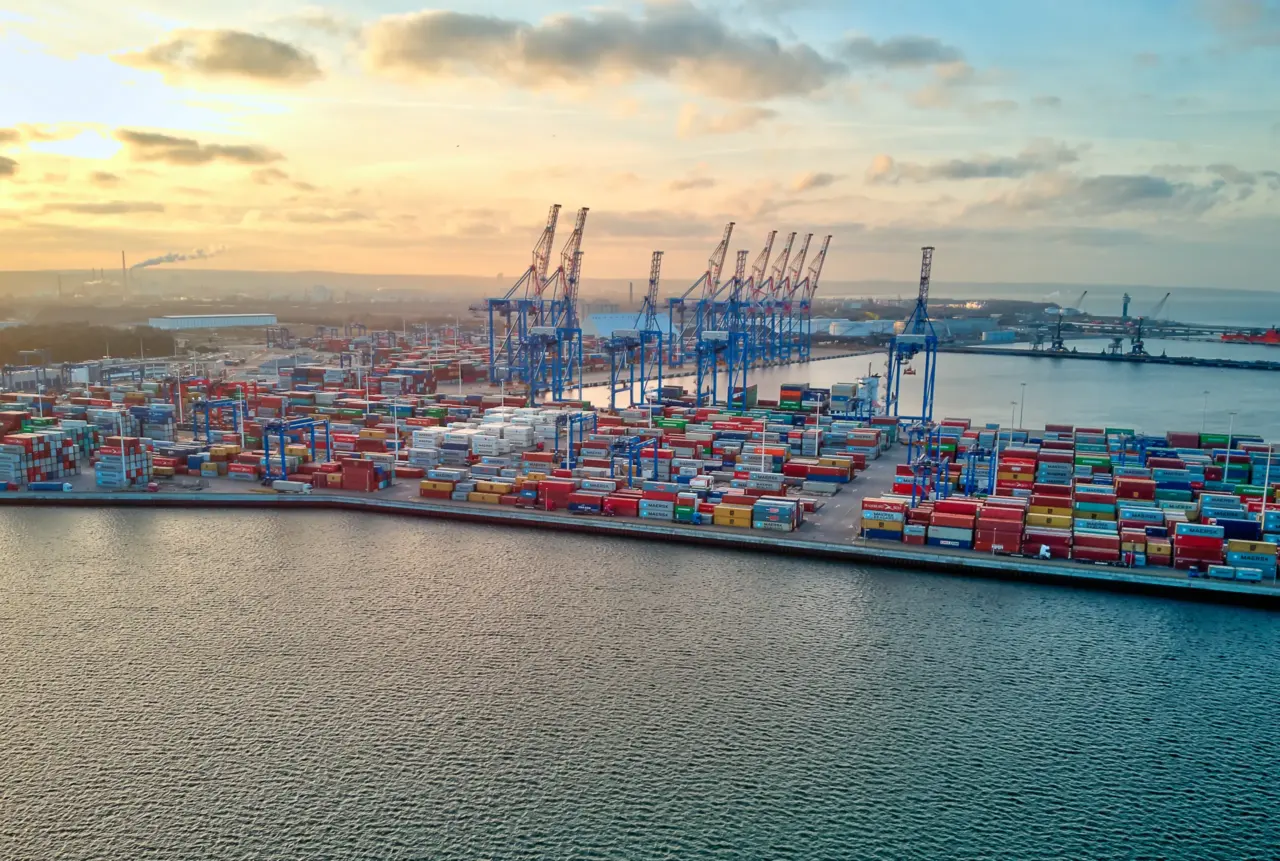
Logistics experiences restrictions in the Red Sea in several ways, one of which is the difficulty in planning loading and unloading.
“This situation is certainly affecting the condition of many companies worldwide. Crossing the Suez Canal is so difficult that we are getting news about the necessity to sail around Africa, for example, which increases the delivery time by several days. Obviously, it results in increased costs. At the moment, there are no concerns about goods not reaching ports. We are, however, concerned about potential congestion at ports as it becomes more difficult to plan unloading times. We do not expect consequences as serious as the Suez Canal blockade during the pandemic or during the ship breakdown that blocked the canal. Nevertheless, in the current global economic situation, any such situation is a concern,” says Przemysław Hołowacz, Director for Development at CSL Group and expert at the Northern Economic Chamber in Szczecin.
Experts add that besides trade, the crisis will affect the energy sector the most – the price of oil and gas may increase.