


Long-term care in Poland is divided between two sectors: healthcare and social assistance. The lack of coordination between these sectors results in fragmented and often inefficient care, according to a World Bank report. Each year, at least half a million people in Poland require long-term care services, but wait times are excessively long due to underfunding and workforce shortages.
Growing Demand for Long-Term Care
The World Bank’s Strategic Review of Long-Term Care in Poland, conducted for the Ministry of Funds and Regional Policy, estimates that at least 500,000 people in Poland require long-term care annually. However, a 2023 study by the World Bank suggests this number could be significantly higher. Around 7% of adult Poles—approximately 2.2 million individuals aged 18 and over—report currently receiving care or assistance due to health conditions. This care is primarily provided by informal caregivers, such as family members, who do not receive financial compensation. Informal care accounts for about 80% of all long-term care services in Poland.
As Poland’s demographic profile changes, the need for long-term care will increase. In 2023, the country’s population was 37.6 million, with nearly 9.9 million people aged 60 or older. By 2060, the population aged 65+ is projected to grow to 11.8 million, representing nearly 40% of the total population.
Systemic Challenges
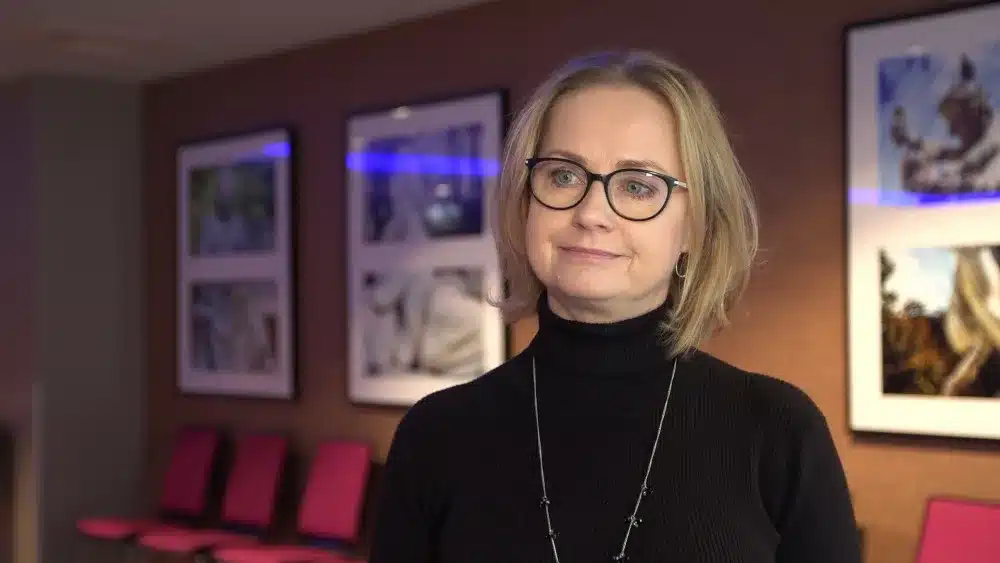
“The long-term care system in Poland has long been underfunded and lacks coordination—not just at the ministerial level but also regionally. There is no system that ensures patients can remain in their home environment for as long as possible or transition smoothly to institutional care when needed,” says Magdalena Osińska-Kurzywilk, president of the Coalition “Support for the Dependent,” in an interview with Newseria.
Long-term care services in Poland are delivered through various modalities: institutional (24-hour facilities), day care, and home or community care. In the social assistance sector, institutional care includes nursing homes and family support homes, while community and home care services are provided through support centers and caregiving services. In the healthcare sector, long-term and nursing care facilities operate alongside home care services provided by nurses. Despite these options, the system struggles to provide affordable, high-quality long-term care.
“Home care for seniors is feasible, but it requires coordination across multiple areas—collaboration among doctors, nurses, and primary care providers. When something happens to a patient at home, the first point of contact is usually the primary care doctor. As long-term care nurses, we see these challenges daily and believe there should be close contact among general practitioners, community nurses, and physiotherapists to provide holistic care,” explains Osińska-Kurzywilk.
Fragmentation and Informal Care
The World Bank highlights that patient-centered care, which promotes independence, is hindered by the fragmentation of services across sectors. A seamless care continuum—from informal and community-based care to institutional care when necessary—requires integrating informal caregiving into the formal system and ensuring smooth transitions between care modalities.
“Long-term care nurses are not there to clean homes or do grocery shopping, as families often misunderstand. Their role is to administer medications, treat wounds, and monitor health. Meanwhile, seniors need social services—someone to assist with daily activities, such as bathing, shopping, and cleaning. These are entirely different services,” stresses Osińska-Kurzywilk.
A coordinated system is also essential to shift from institutionalized care to community-based systems. However, the lack of a unified, comprehensive information system often unnecessarily delays access to publicly funded long-term care services.
“Patients discharged from hospitals and eligible for long-term nursing care must obtain a referral and then find a provider in their region themselves. The average wait time is about a year or even longer. Patients with additional needs, such as those with disabilities, face even longer delays,” Osińska-Kurzywilk adds.
Workforce Shortages
Staff shortages exacerbate these challenges. According to the Polish Chamber of Physicians, there are only 590 geriatricians in Poland, 578 of whom are actively practicing. In 2021, just over 11,000 nurses held qualifications in geriatrics, long-term care, or palliative care. Effective long-term care requires a multidisciplinary team, including geriatricians, specialized nurses, medical caregivers, pharmacists, physiotherapists, psychologists, and psychiatrists.
“Geriatric patients face unique challenges across both healthcare and social services. They are at higher risk for falls and fractures, and osteoporosis often goes unaddressed. For example, complications from osteoporosis-related fractures can lead to dependency on institutional care, which is far more expensive than home or community-based care,” Osińska-Kurzywilk explains.
Individualized Care for Seniors
The lack of personalized care in the current system further complicates matters.
“Some seniors remain active and know how to maintain physical and mental fitness to prolong their independence. Others are isolated at home, which significantly reduces their cognitive and physical abilities. This accelerates aging and increases the need for costly healthcare and social services, pushing them into institutional care prematurely,” Osińska-Kurzywilk warns.
The Path Forward
Addressing Poland’s long-term care challenges requires:
- Improved Coordination: Integrating healthcare and social services at all levels.
- Increased Funding: Allocating resources to support infrastructure, workforce, and patient services.
- Expanded Workforce: Training and hiring more geriatric specialists, nurses, and allied health professionals.
- Community-Based Care: Shifting focus from institutional care to home and community services.
- Public Awareness: Educating families about the distinctions between healthcare and social services.
Without systemic changes, Poland risks an overburdened, underperforming long-term care system that fails to meet the needs of its aging population.



