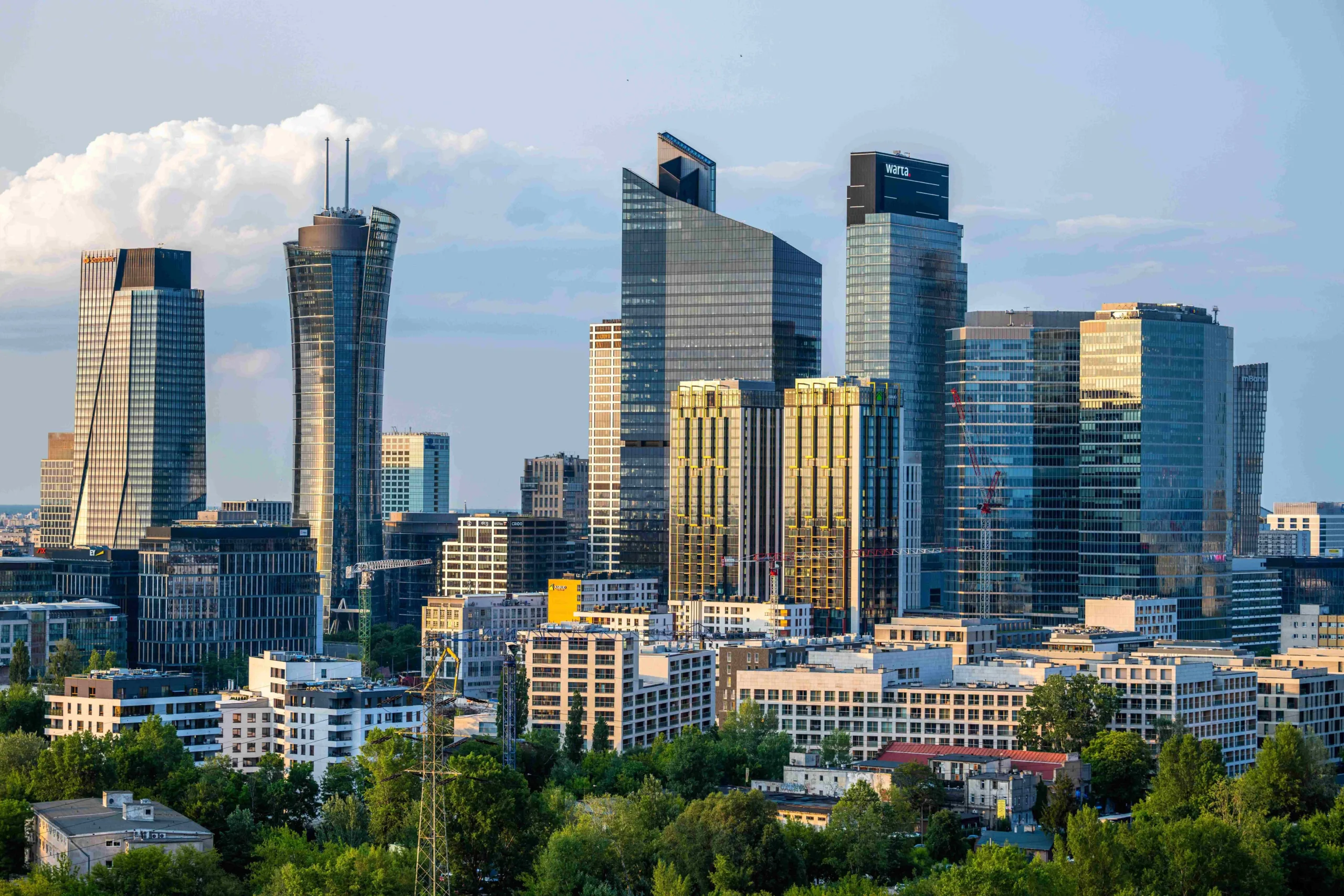
Warsaw’s office market is becoming increasingly tight in the locations most sought after by tenants. Vacancy in the city centre has fallen to 4.8%, while the Rondo Daszyńskiego area is down to just 3.6%, according to AXI IMMO. With demand remaining high and development activity limited, companies are finding that securing suitable space can be a bigger challenge than negotiating the rent itself.
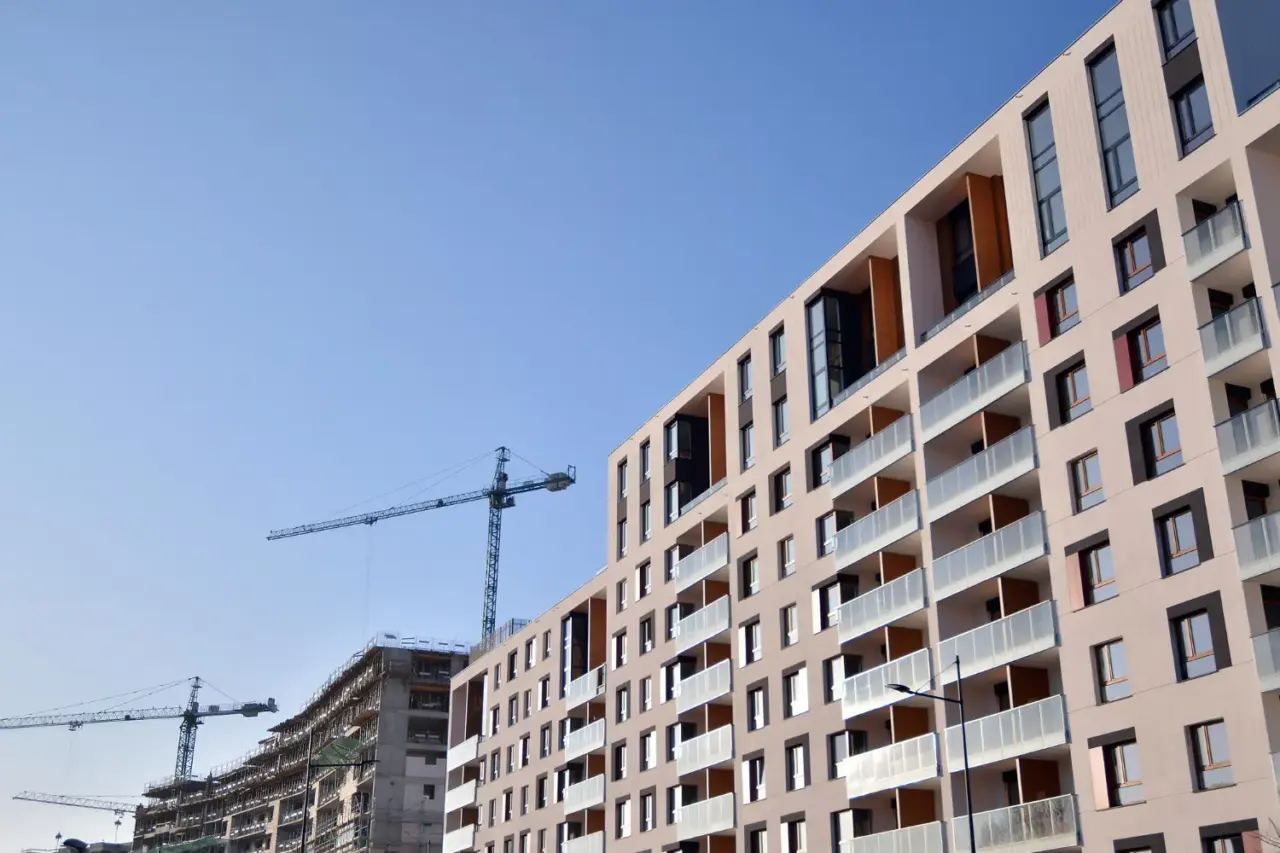
The market has been dealing with a supply gap since 2023. Only around 28,000 sq m of modern office space is expected to be delivered in Warsaw by the end of 2026, making this year one of the weakest for new supply in the capital’s recent history.
Demand remains high while the pipeline stays limited
Tenant activity has remained strong. Demand in the first half of 2026 reached around 420,000 sq m, up 38% year on year. Much of the interest is concentrated in newer, well-connected buildings with high technical and environmental standards.
At the same time, only about 130,000 sq m of office space was under construction at the end of the first half, and more than 90% of that pipeline was located in central areas.
That concentration means the most attractive submarkets may remain undersupplied even when new projects are completed.
Rondo Daszyńskiego vacancy falls to 3.6%
The Rondo Daszyńskiego business district has become one of the clearest examples of the shift. A few years ago, companies could often choose from several competing options in the same location. With vacancy at 3.6%, suitable floors can now be absorbed quickly, especially in high-quality buildings.
For occupiers, that changes the relocation process. Companies that wait until the final months of an existing lease may find that the buildings matching their requirements are no longer available.
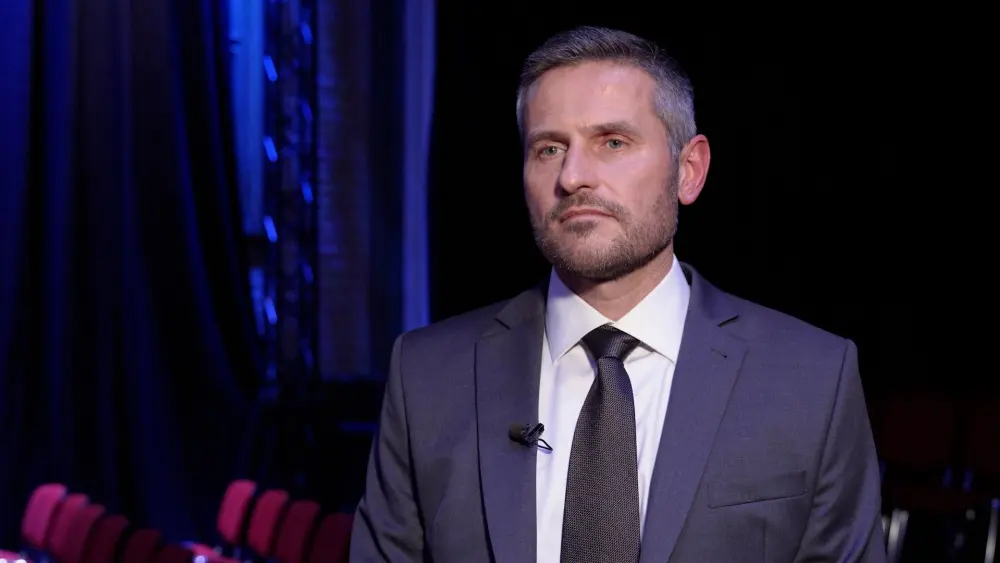
AXI IMMO senior advisor Sara Romanowska says price is no longer the only key factor in negotiations because finding the right office space in the first place has become a growing challenge.
Prime rents remain elevated
Prime central rents are generally in the range of €25–€32 per sq m per month, depending on the building, location and lease structure. Limited availability gives landlords more room to defend headline rents and reduce incentives for the best space.
Tenants continue to look for efficient layouts, strong public-transport access, energy performance and amenities that support hybrid work. This concentrates demand in a relatively small part of the total office stock.
Companies need to start searches earlier
The practical consequence is longer planning. Large occupiers may need to begin evaluating options well before a lease expiry, particularly if they require several thousand square metres in one building.
Warsaw still has office availability outside the tightest central locations, but the gap between prime and secondary space is becoming more visible. Until development activity accelerates, landlords in the strongest buildings are likely to retain a stronger negotiating position.
Source: AXI IMMO market data and commentary.