
About 64% of Warsaw’s office space is in buildings more than 10 years old, and more than 500,000 square metres have been withdrawn from the market since 2020, according to Colliers. Office stock across six Central and Eastern European capitals exceeds 22 million square metres, but new supply has fallen to historic lows. Owners increasingly face a choice between upgrading, repurposing or redeveloping older buildings as occupier expectations change.
By the ManagerPlus editorial team.
New office supply remains near historic lows
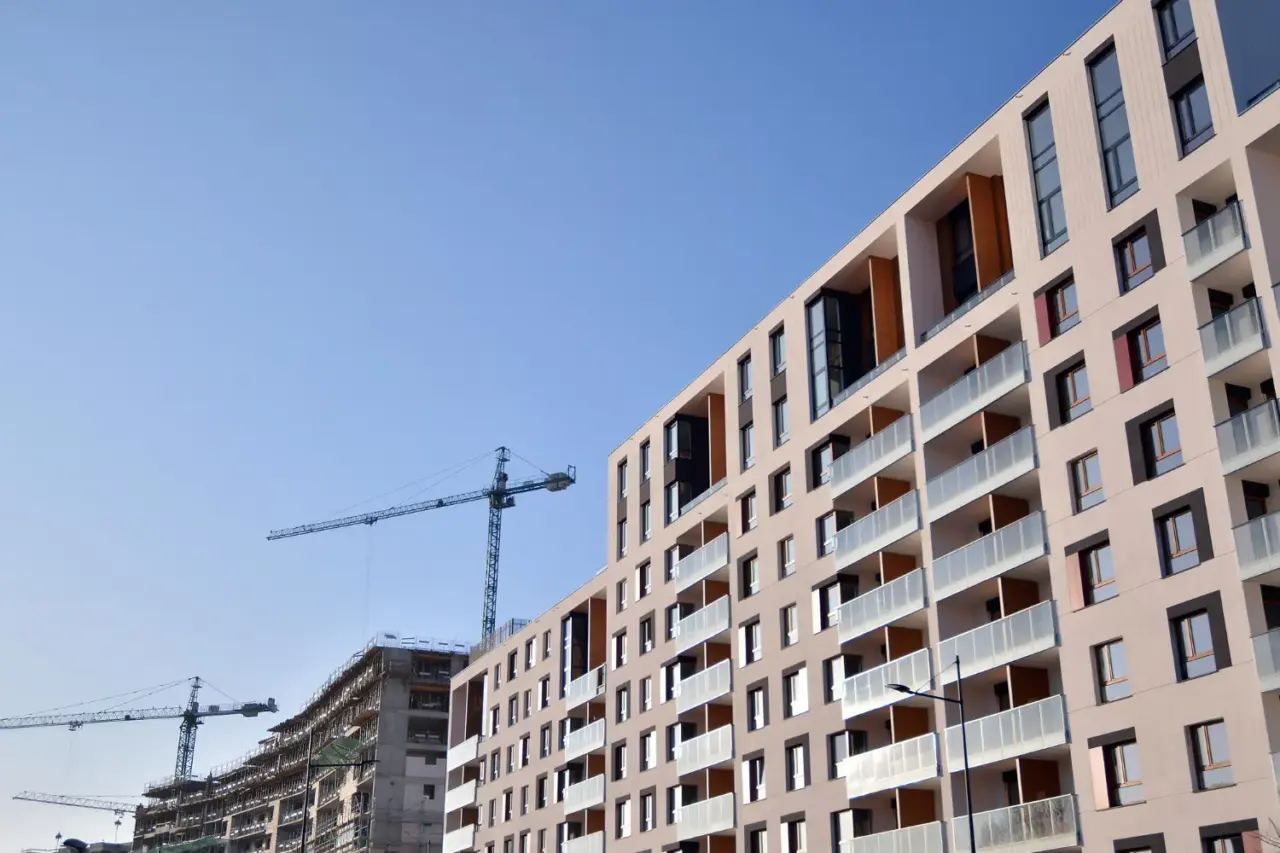
At the end of 2025, total office stock in Warsaw, Prague, Budapest, Bucharest, Bratislava and Sofia exceeded 22 million square metres. Just over 200,000 square metres came onto the market in 2025, the lowest level in the modern history of the region’s office market. Only about 300,000 square metres are expected in 2026.
The widening imbalance between supply and demand is splitting the market. The strongest properties still attract tenants and investment, while older buildings increasingly need substantial spending to stay competitive.
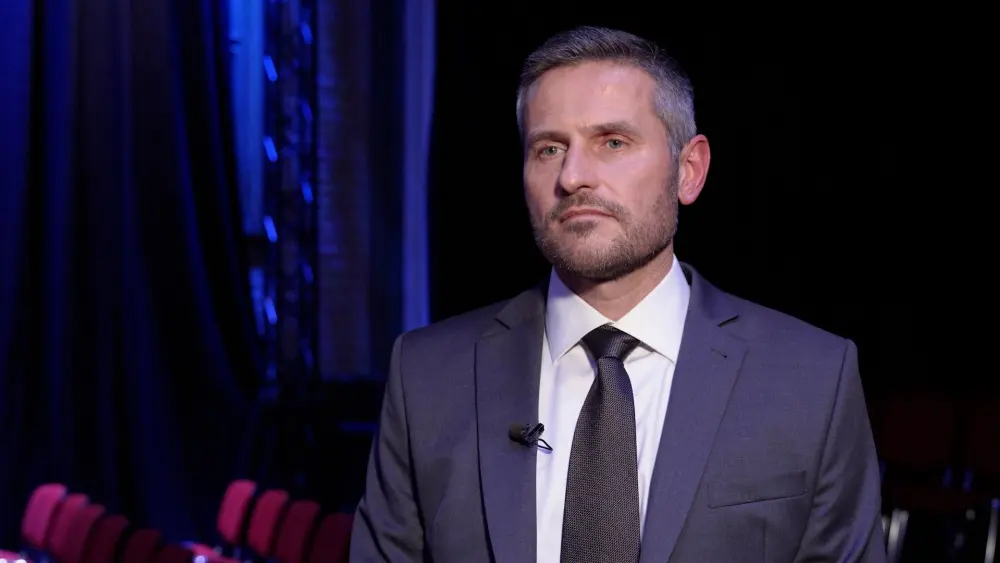
“The next real estate cycle in Central and Eastern Europe will be shaped less by new developments and more by the transformation of existing assets. Across the region, investors are increasingly focused on adding value to mature properties through refurbishment, repositioning, conversion or redevelopment. The question is no longer whether older buildings need attention, but which strategy will deliver the best results over the long term,” said Bartosz Jankowski, partner and board member at Colliers Define.
Warsaw’s ageing stock includes offices and retail
About 20 million square metres of modern retail space in the six Central and Eastern European capitals and the Baltic capitals is over 15 years old, representing almost 60% of the stock. Many retail owners are investing in upgrades, environmental, social and governance measures, changes to the tenant mix and selective redevelopment to keep their properties competitive.
Poland is among the markets where refurbishment, conversion and redevelopment are becoming more common. Colliers’ Last Chance for Aging Assets report found that about 64% of Warsaw’s office stock and 77% of its retail stock are in buildings more than 10 years old. More than 500,000 square metres of office space have been taken out of use in Warsaw since 2020. Many existing properties have already entered a new phase through upgrades, conversion or redevelopment.
From office upgrades to student housing and hotels
Warsaw’s V Tower underwent a comprehensive refurbishment that upgraded technical infrastructure, introduced sustainability measures and expanded amenities and services for tenants. The changes improved its competitiveness and extended its useful life on the market. At Lipowy Office Park, former office buildings became accommodation for students and young professionals.
Danube House in Prague was upgraded to meet current sustainability and workplace standards. Budapest has seen outdated offices converted into hotels, while projects in Sofia have replaced obsolete properties with developments better suited to current demand. Large projects in Greece and Ireland have turned ageing commercial properties into mixed-use complexes with offices, homes, shops and leisure facilities.
Colliers combined market and investment data with case studies to outline options for owners and investors. The ability to meet changing technical, environmental and market requirements will increasingly shape a property’s prospects. Over the coming decade, owners will have to decide whether and when to refurbish, repurpose or redevelop.
“With new projects still limited in many countries across the region, the most attractive investment opportunities may increasingly be found in existing assets. Buildings that adapt successfully to changing market conditions will be better placed to create long-term value for owners, tenants and investors,” Jankowski added.
The full findings appear in three Colliers reports: ExCEEding Borders Office 2026, Maintaining Retail Excellence and Restoring Potential and Last Chance for Aging Assets.