The United States, Denmark and Greenland signed a security agreement on 22 September aimed at strengthening defence in the Arctic and North Atlantic. The accord allows a broader US military presence on Greenland while preserving the island’s status within the Kingdom of Denmark and recognising Greenlanders’ right to decide their own political future.
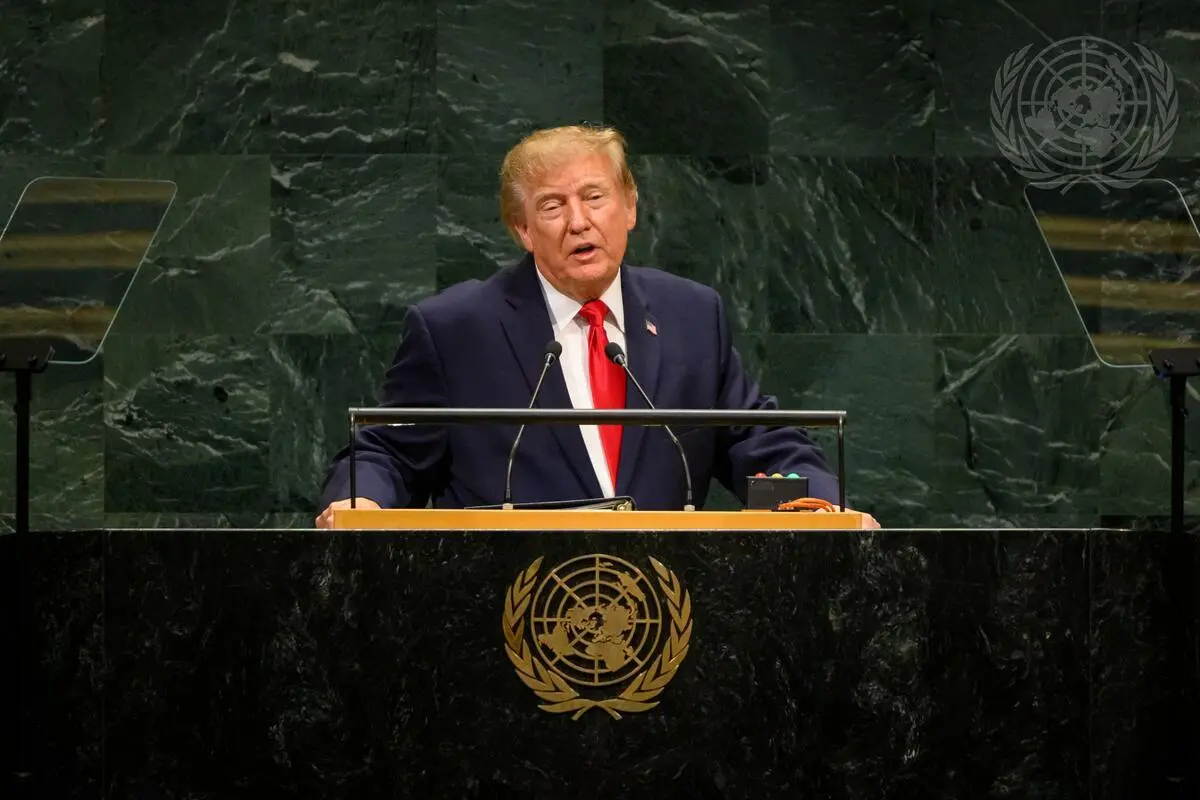
The agreement was signed in New York on the sidelines of the UN General Assembly by US President Donald Trump, Danish Prime Minister Mette Frederiksen and Greenland Prime Minister Jens-Frederik Nielsen.
Expanded US military access
According to Reuters and the Associated Press, the deal expands the framework for US defence activity in Greenland, including further development around the Pituffik Space Base and additional defence areas at Narsarsuaq and Mestersvig.
The arrangement also provides for closer cooperation on Arctic surveillance, missile defence and protection of critical infrastructure. It reflects growing US and NATO attention to the region as Russia and China increase their strategic activity in the Arctic.
Sovereignty and self-determination remain unchanged
The agreement does not transfer sovereignty over Greenland to the United States. Denmark remains responsible for foreign and defence policy under the current constitutional framework, while Greenland retains extensive self-government.
Both Frederiksen and Nielsen emphasised that the accord should be understood as a security arrangement rather than a change in political status. Greenland’s future relationship with Denmark remains a matter for Greenlanders under existing self-determination rules.
Agreement follows months of tension
The deal comes after a prolonged period of diplomatic tension over President Trump’s earlier statements about acquiring Greenland. Danish and Greenlandic authorities repeatedly rejected the idea of a sale or takeover.
The new agreement shifts the focus from ownership to defence cooperation. Reuters reported that it ends the immediate standoff while giving Washington greater military access in a strategically important part of the Arctic.
Further parliamentary and administrative steps remain
Some elements of the arrangement will still require implementation through Danish and Greenlandic procedures. The practical scale and timetable of new US deployments will therefore depend on subsequent decisions, infrastructure work and NATO planning.
The agreement also seeks to ensure that non-NATO countries cannot establish a military presence in Greenland, strengthening its role within the alliance’s northern defence architecture.
Sources: Reuters and Associated Press, 22–23 September 2026.