

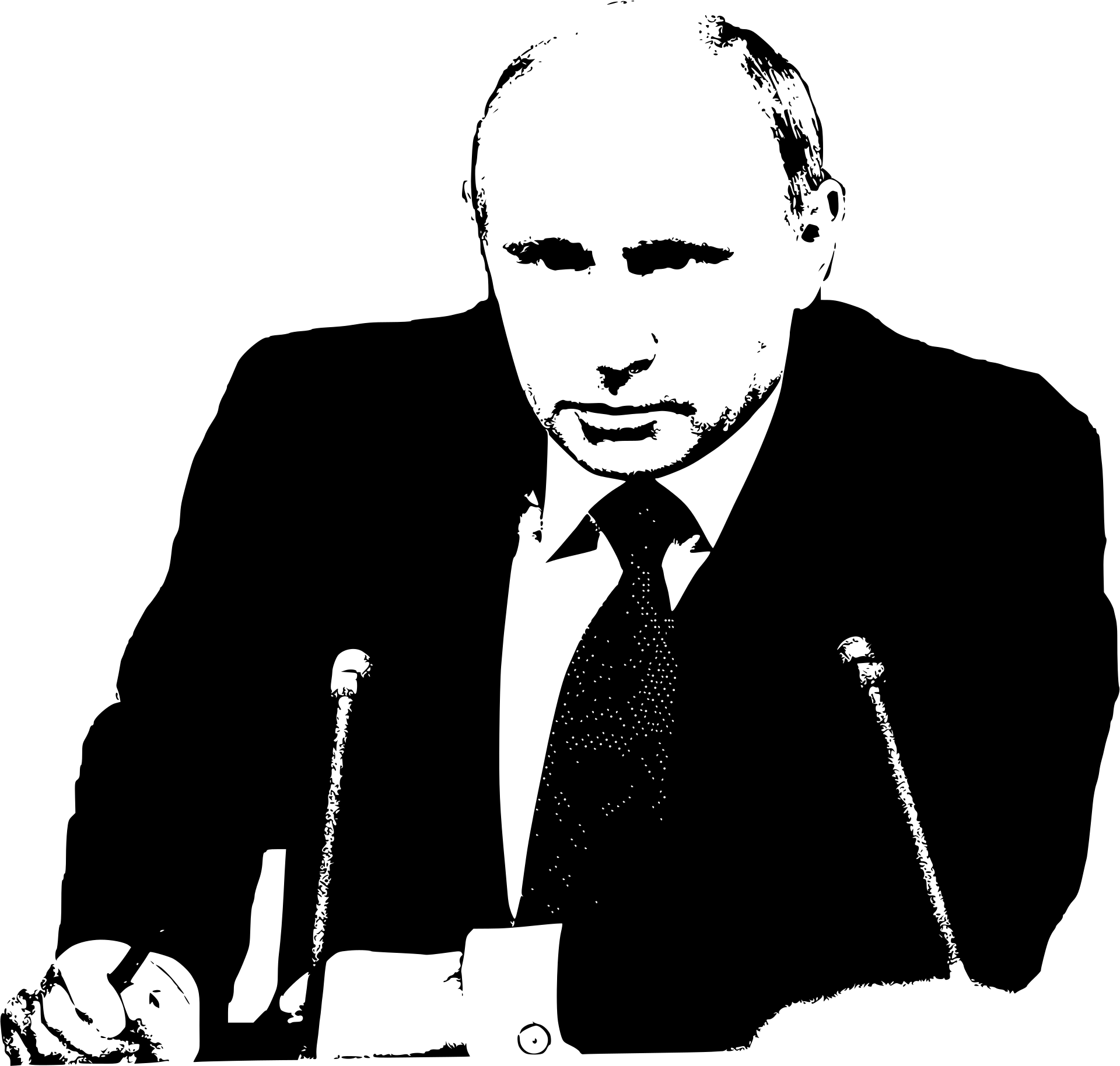
United Russia won 355 of the 450 seats in the State Duma, according to near-final results released by Russia’s Central Election Commission. The ruling party received 57.83% of the party-list vote with more than 95% of protocols counted, increasing its majority compared with the 2021 election.
The Communist Party placed second with 13.81%, followed by the Liberal Democratic Party of Russia at 8.98% and New People at 7.96%.
The Central Election Commission reported turnout of around 59.3% among approximately 111 million eligible voters. Final results are subject to completion of the count and review of complaints.
First Duma election since the full-scale invasion of Ukraine
The vote was Russia’s first parliamentary election since the start of the full-scale invasion of Ukraine in February 2022.
United Russia increased its party-list vote share from 49.8% in 2021 to 57.83% in 2026. With 355 seats, it holds roughly 79% of the lower house and remains above the 301-seat threshold required for a constitutional majority.
Yabloko, the only registered party openly opposing the war, did not win representation in the State Duma, although it secured a small regional foothold in the Novgorod legislature.
Voting was also organised in occupied Ukrainian territories
Russia also organised voting in Ukrainian territories it occupies. Ukraine and a number of Western governments have said such voting has no legal effect on the status of those territories under international law.
France’s foreign ministry said the election took place amid repression of civil society and political opposition, restrictions on freedom of expression and the exclusion of some political actors. It also condemned voting in occupied Ukrainian territories as a violation of international law.
The European Union and several governments, including Poland, have likewise criticised the organisation of Russian elections in occupied areas and the broader conditions in which the vote took place.
No OSCE observation mission took part
The election was not monitored by an OSCE election-observation mission. Russian authorities rejected allegations from critics and exiled opposition groups that the process was manipulated and described the vote as legitimate.
The differing assessments are important context for interpreting the official results: the seat and vote figures cited above come from Russia’s Central Election Commission, while criticism of the election environment has been voiced by foreign governments, opposition figures and independent observers.
United Russia retains a constitutional majority
The 355-seat result allows United Russia to pass ordinary legislation without support from other parties and gives it the numbers required for decisions that need at least 301 votes, including constitutional amendments under the relevant parliamentary procedures.