
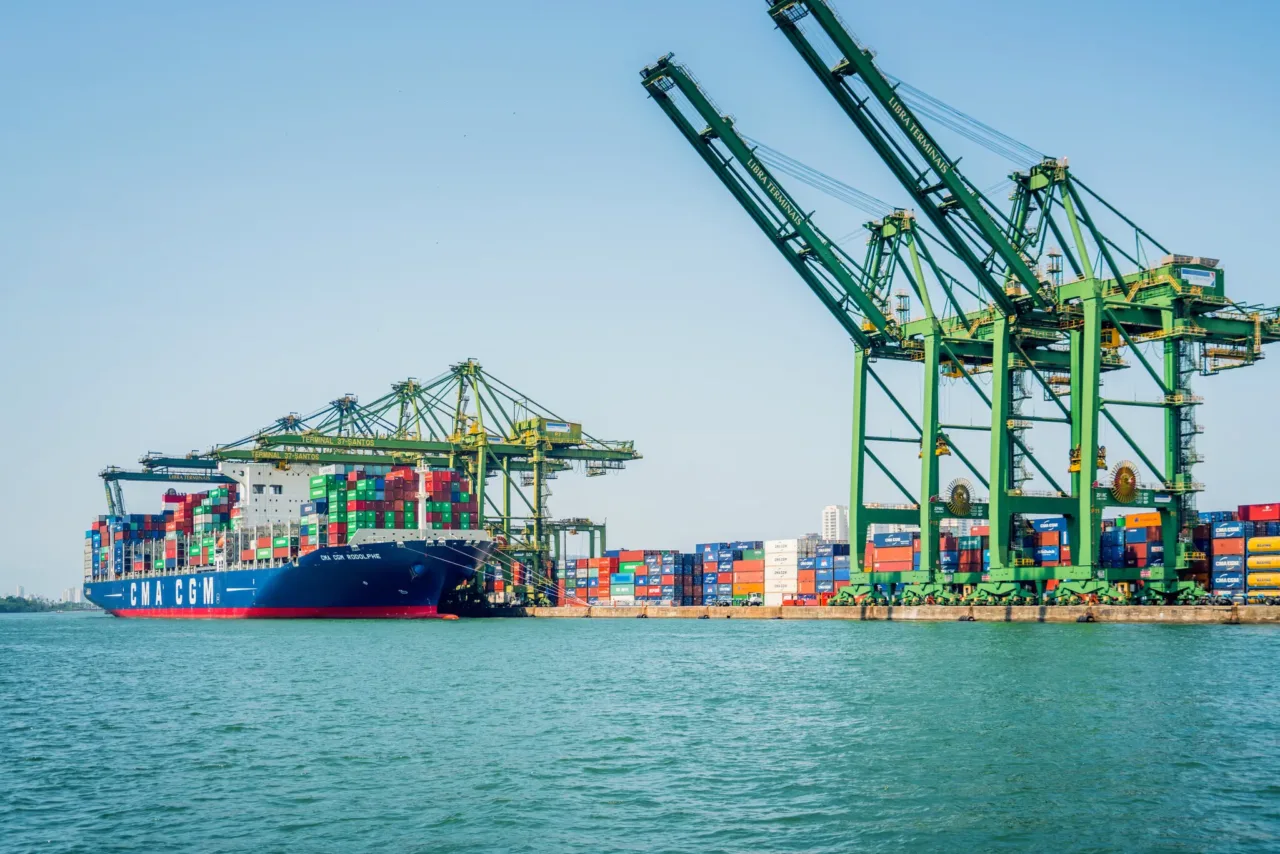
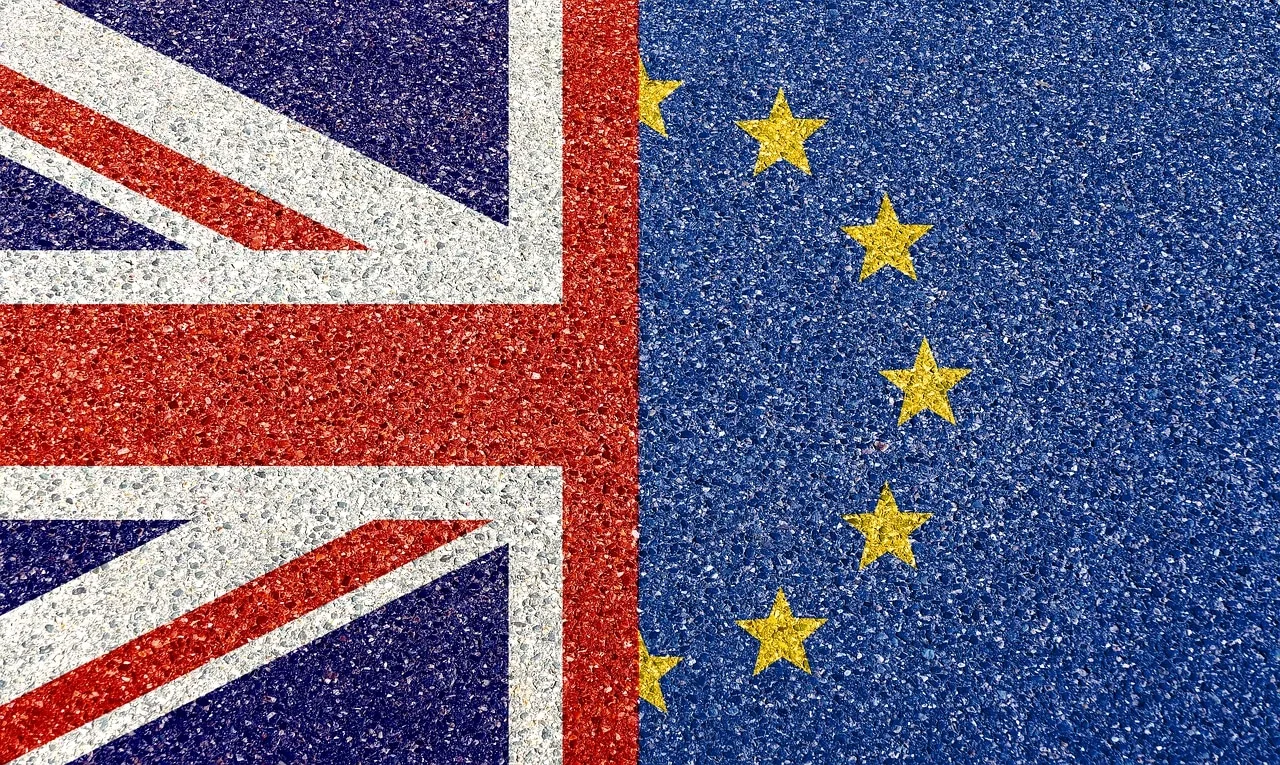
The UK and European Commission have provisionally agreed the text of a deal that would remove most post-Brexit checks and certificates required for trade in food and agricultural products. The draft has been sent to EU member states ahead of a summit scheduled for 20 November.
For Prime Minister Andy Burnham, the agreement forms part of a broader plan to build closer ties with the EU.
By the ManagerPlus Editorial Team. English version of the original article.
The sanitary and phytosanitary agreement, known as an SPS agreement, covers food safety and animal and plant health. Once implemented, it would allow most shipments of animals, plants and products of animal or plant origin between the UK and the EU to move without the certificates and checks currently required. In return, the UK would align the rules covered by the agreement with EU standards and update them as EU law changes.
Less paperwork and lower delivery costs
Removing some of these formalities is intended to reduce trade costs in both directions. Companies shipping small consignments would benefit in particular: the cost of obtaining a certificate is spread over fewer products and can determine whether a shipment is commercially viable. The simplified rules would cover trade in meat, dairy products and plants, among other goods. According to ITV News, British officials estimate that the deal could add up to £5.1 billion a year to the UK economy.
The implementation date remains open. The UK’s Department for Environment, Food and Rural Affairs had previously pointed to mid-2027. According to the latest reporting by The Guardian, the new rules could take effect in the first quarter of 2028.
Emissions trading and youth mobility also on the summit agenda
Burnham also wants to use the November summit to agree arrangements for cooperation on emissions trading and a programme that would make it easier for young people from the UK and EU to work and study temporarily on either side of the English Channel. The prime minister maintains that the UK will remain outside the EU single market and customs union during the current parliamentary term.
Tuition fees at British universities remain one of the unresolved issues. According to the Financial Times, Brussels wants EU students to pay the same fees as British students. The draft joint statement under negotiation makes implementation of the wider package conditional on resolving that dispute.