
EU institutions continue to declare strong support for Ukraine. Together, in the three years since the start of Russian aggression, the Union and its member states have allocated 134 billion euros to support fighting Ukraine and its citizens, including over 67 billion euros in financial aid and 50 billion in military assistance. The scale of needs, however, remains enormous, especially as further support from the American ally is questionable.
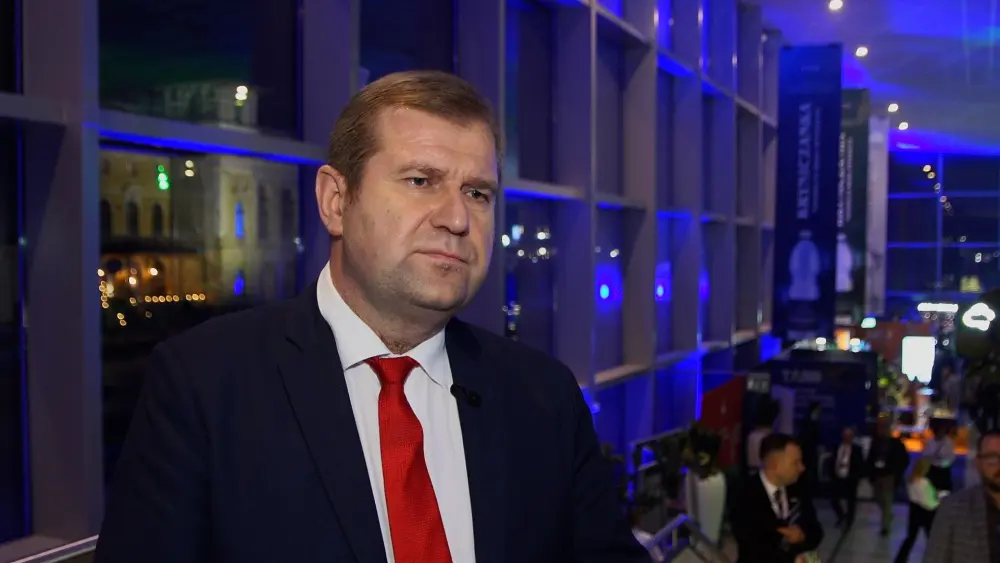
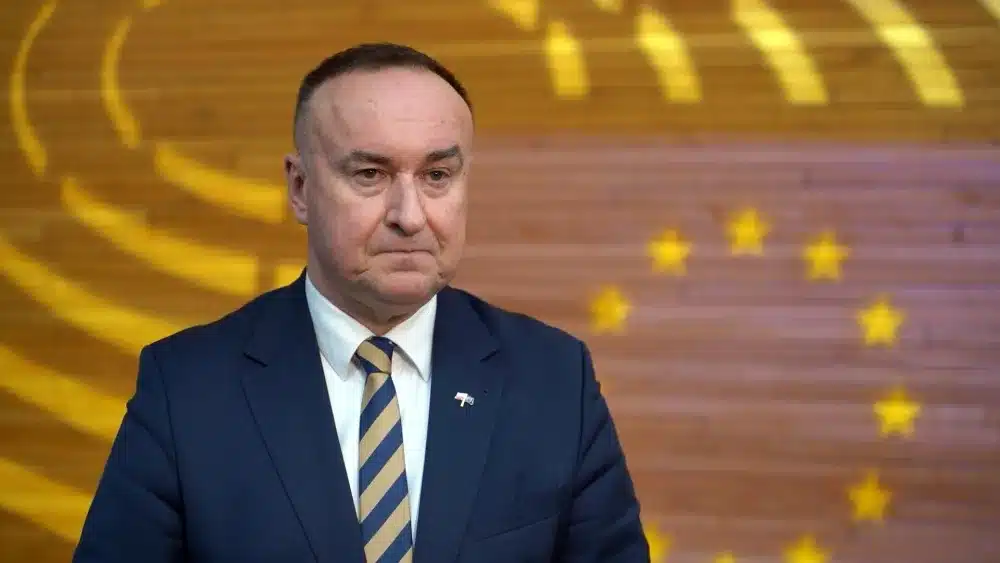
“The European Union has provided substantial support, much larger than many could have imagined. The Union has been and remains united in support of Ukraine. Even though there are dissenting voices in the European Parliament from the far right, saying that peace must be made at all costs, i.e., on Putin’s terms, the vast majority of MEPs speak loud and clear: peace, yes, but on terms and conditions that Ukraine will accept and participate in setting,” says Michał Kobosko, a Member of the European Parliament from Poland 2050, representing the Renew Europe group.
According to data from the EU Council and the European Council, since the start of Russian aggression, the EU and its member states have allocated over 134 billion euros to support Ukraine. Of this, 67.3 billion euros is financial, economic and humanitarian aid, 48.5 billion euros is military support, and 17 billion euros is assistance to refugees within the EU. As part of the financial assistance, the Instrument for Ukraine provides stable funding in the form of grants and loans worth up to 50 billion euros to support the reconstruction, retrofitting and modernization of Ukraine in 2024-2027. 32 billion euros have been reserved to support the reforms and investments announced in the Ukraine Plan.
“EU assistance is multifaceted, primarily through individual transfers of equipment and weapons by member states, but also through a mechanism enabling member states to purchase weapons and reimburse these costs through European tools. But what is most important is the assistance that is given to Ukraine, for example, in energy matters,” lists Michał Szczerba, MEP from the Civic Platform. “What is crucial is that frozen Russian state assets are becoming a new source of income for Ukraine.”
After the full-scale Russian aggression against Ukraine, Western countries froze almost half of Russia’s foreign currency reserves, i.e., 300 billion euros. The first tranche of 1.5 billion euros was disbursed in the summer of 2024, and the second tranche of 1.9 billion euros is set to be allocated to Ukraine in April of this year. The EU has the largest share in the loan of 45 billion euros taken out by the G7 countries for Ukraine, which will be paid off from the profits of frozen Russian assets. Ukraine has already received the first tranche of 3 billion euros.
“The European Union has provided significant military, training, and societal aid to a struggling Ukraine. Without this aid, Ukraine would not have survived the war. Moreover, Ukraine could have won this war at a certain stage, but for political reasons, this aid was reluctantly provided, particularly by Germany. We remember Chancellor Scholz, who hesitated to send tanks, leopards, or other aid, and the Biden administration also pursued a drip-feed policy,” assesses Arkadiusz Mularczyk, MEP from Law and Justice. “Assistance from the Union is needed, but perhaps it could already be aid for reconstruction, if at the right stage, the Union and the US helped Ukraine win this war. Now Ukraine has lost over 20% of its territory, hundreds of thousands of people have been killed, maimed, millions of Ukrainians are in exile, this country will bear the consequences of the war for decades.”
“The scale of need is still enormous today, as Russian aggression does not cease. It is known that Russia has switched its economy to war mode, industrial plants are almost exclusively producing for armament needs, so these needs from Western allies are still enormous. We must provide this support, even if we have already given a large part of the weaponry and don’t have much more, we must provide assistance in any other form, especially in the financial form,” assesses Michał Kobosko.
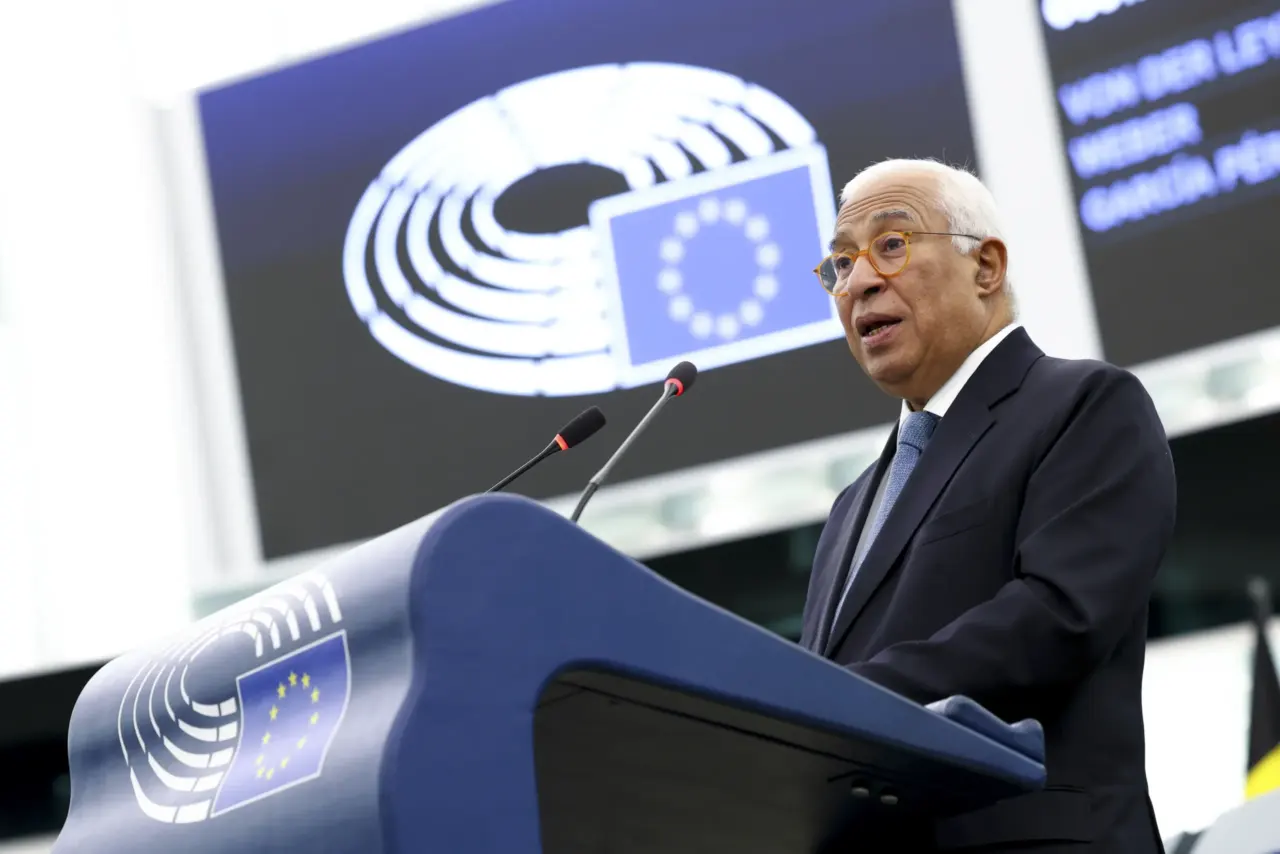
In the resolution adopted in January 2025, the European Parliament confirmed its unequivocal support for Kyiv, called on Russia to immediately end all military actions and withdraw from Ukraine. MEPs also called on the EU to extend sanctions against Russian media conducting disinformation campaigns and manipulating information. The ongoing war was also condemned by the Conference of Presidents of the European Parliament. The statement emphasized that the EU must remain united in its commitment to support Ukraine, which includes political, military, economic, humanitarian and financial assistance. The EU and its member states were called upon to increase and expedite their support, especially military, and to establish a legal regime allowing for the confiscation of assets owned by Russia, frozen by the EU.
“This support is unwavering. We are all tired of the war, even in Poland. We would like this peace to be just, on Ukrainian terms, to give Ukraine guaranteed security and secure the future of this country in European and Euro-Atlantic structures. Nothing about Ukraine without Ukraine,” emphasizes Michał Szczerba.
On the eve of the third anniversary of the start of Russian aggression, EU member states agreed to adopt the 16th package of sanctions against Russia. As reported by the Polish Institute of International Affairs, in order to limit the possibility of circumventing the price cap on Russian oil, the EU will impose restrictions on Russian tankers (about 70) belonging to the so-called shadow fleet. In the field of financial sanctions, it will also disconnect additional Russian banks from the international SWIFT financial settlement system.