
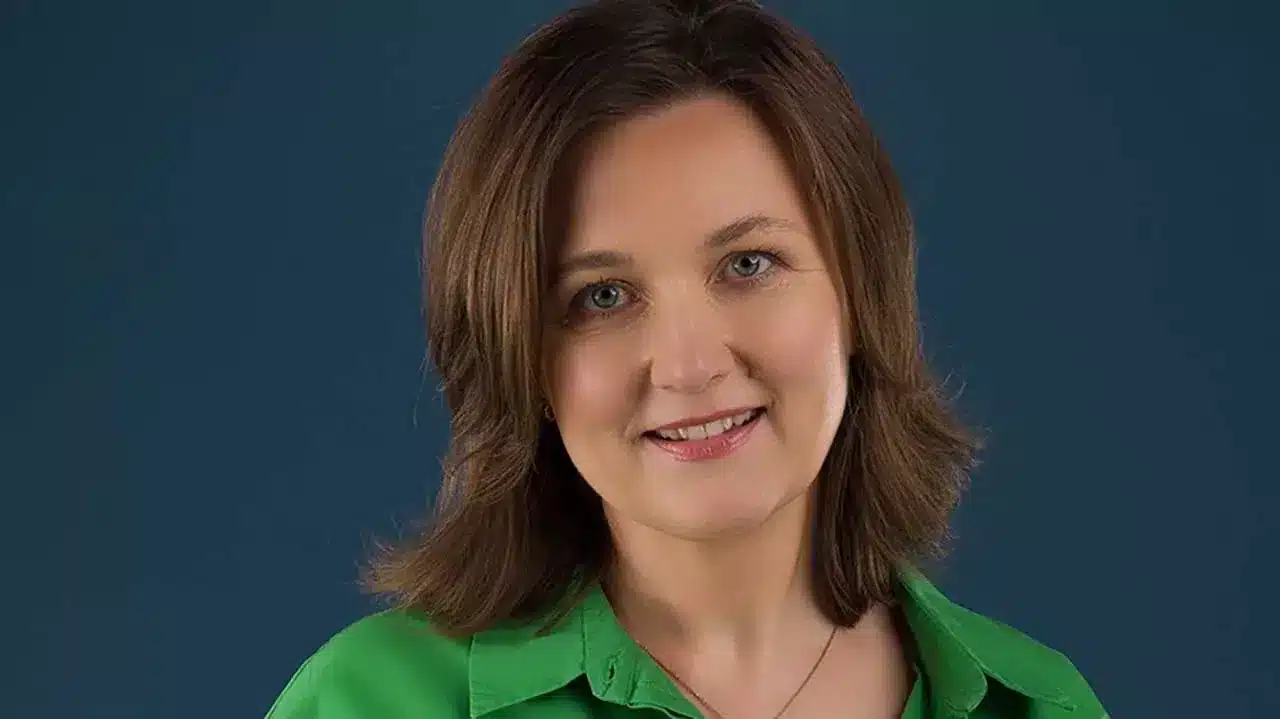
Today, October 16th, we celebrate Boss’s Day. It’s the perfect occasion to reflect on the types of bosses we may encounter in our careers and to think about the kind of boss we’d like to be. Not everyone is a born leader, but everyone can strive to be the best possible supervisor for others. Magda Pietkiewicz, a labor market expert and creator of the Enpulse platform, which serves to study employee engagement, shares her insights on what makes an ideal boss and how they differ from others.
When classifying bosses, we consider their management style. For instance, there’s the authoritative boss – one who keeps everything under control, makes right decisions, and is reluctant to listen to others. Then, we have democratic bosses who discuss matters with employees and make decisions based on the consensus. There are also supportive bosses, who focus on team development, offering help and support. Such a boss aims to be reconciliatory, always trying to reach a consensus. We also have inspiring bosses who motivate their team with their vision and passion for what they do.
“Unfortunately, beside ‘positive’ bosses, we may also encounter ‘negative’ bosses on our career path, such as the disengaged boss or the controlling boss. The disengaged boss doesn’t like being disturbed and prefers to isolate in their office. The controlling boss, on the other hand, focuses on details and controls every single thing we do – this epitomizes micromanagement, resulting in absolute inefficiency,” says Magda Pietkiewicz, labor market expert and creator of Enpulse. “Ideally, we could have bosses who – depending on the situation – demonstrate the necessary skills. Neither extreme will garner our coworkers’ sympathy, whereas utilizing varied management styles brings the best, long-term results. Adjusting management methods and techniques to the team’s current needs is fundamental,” she adds.
Daily challenges
In today’s business, geopolitical, and social realities, managers have to face numerous challenges. One of them is managing multigenerational teams, i.e., combining drastically different views, experiences, and work styles. Another is investing in employees – according to Enpulse’s findings, professional growth opportunities are crucial in accepting or rejecting a job offer. Also, competent change management is of utmost importance these days – the supervisor’s role is to ensure the employees’ security within this process, which is indeed challenging.
“It is essential to highlight that one of the key challenges for managers is building engagement. It happens on several levels – emotional and motivational. Managing stress and preventing burnout are significant aspects in this context. We may have highly engaged employees, but it is likely that amongst them are ones who might succumb to burnout. As we say ‘our fuses are heating up’. We receive lots of stimuli from various sources, and suddenly, we find ourselves lacking strength. Both employers and employees must learn mindfulness and emotion regulation skills to cope effectively with stress, seek pathways to reduce tension and prevent burnout,” states Magda Pietkiewicz.
The Ideal Boss
Empathy, expressiveness, decisiveness, responsibility, and flexibility are the traits characterizing a genuinely good boss in today’s context. An ideal manager inspires their employees, supports them, and is trustworthy. All of these contribute to understanding the needs and emotions of their team and being able to manage these emotions.
“Such a person can manage stress within the team. They know not only how to communicate effectively with the team, but also how to foster communication between coworkers. A good manager builds trust and trusts their employees. They know how to delegate tasks without over-controlling and can empower their people. They motivate them and inspire their development. It’s these traits that make people, in simplest terms, ‘want to want’,” says the expert. “But we have to remember, there’s no such thing as ‘the perfect boss’. We’re all human, and it’s worthwhile to remember that everyone makes mistakes, even with the best intentions,” adds Magda Pietkiewicz.
Source: https://managerplus.pl/szef-idealny-nie-istnieje-sa-tylko-ci-wystarczajaco-dobrzy-76689