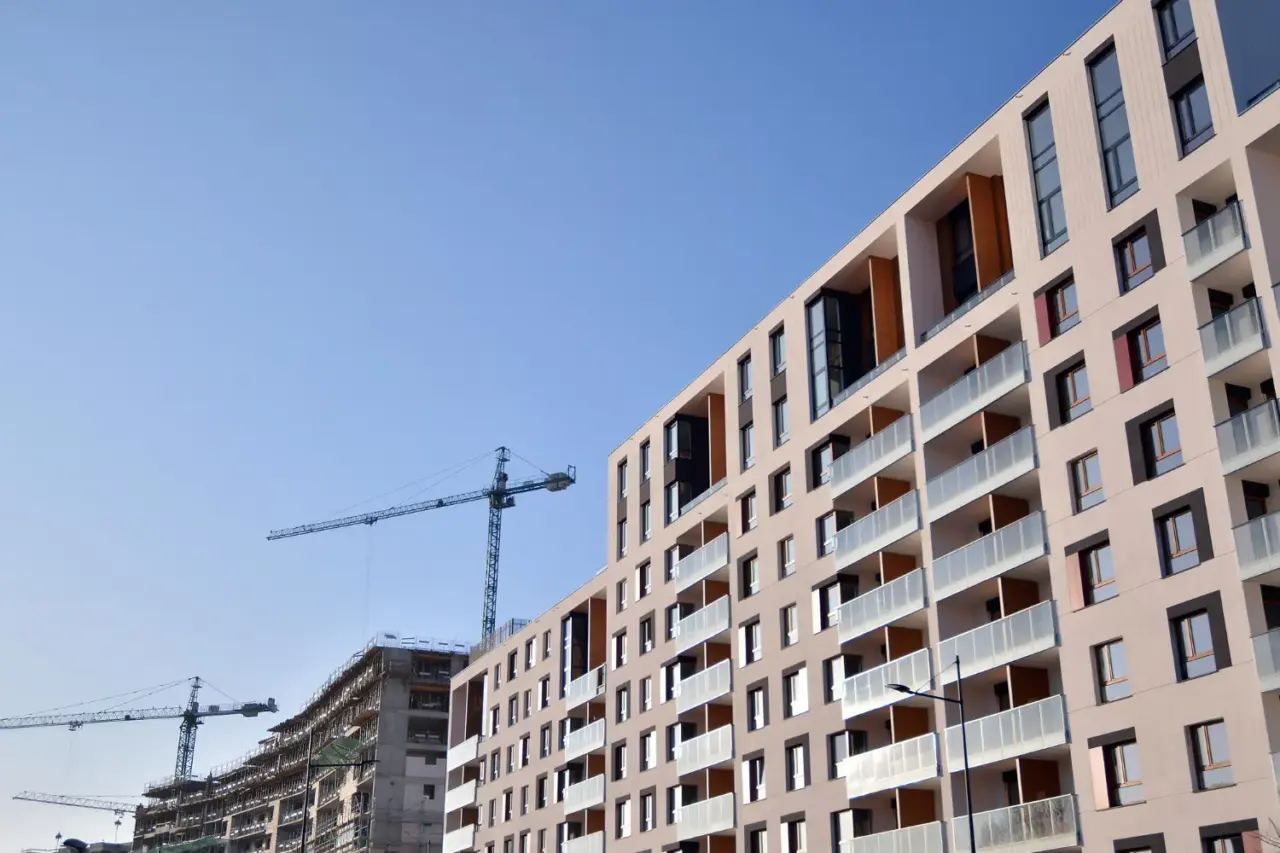


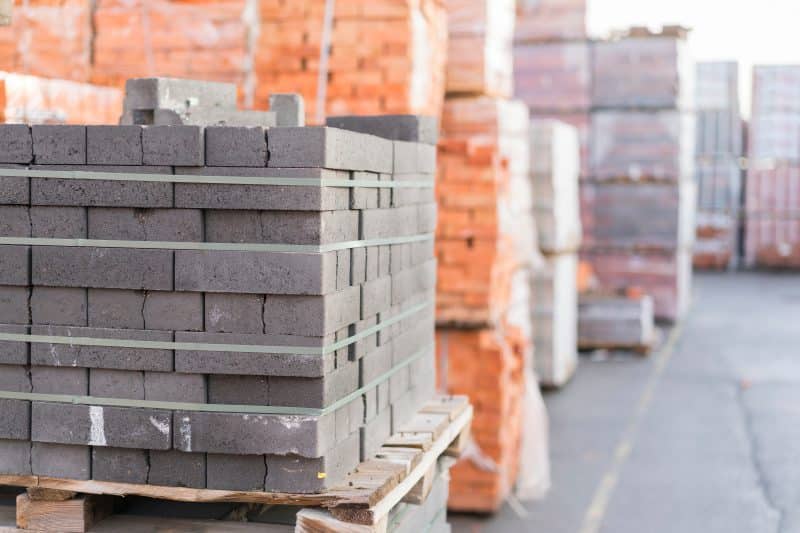
The moderate correction in building material prices in Poland seems to have no end. As experts from RynekPierwotny.pl observe, the downward trend—albeit symbolic—continued in January, with the year-on-year price decline remaining at just 0.3%, the same as in the previous month. As a result, the expected price increase has yet to materialize, but it seems to be only a matter of time.
The negative price dynamics reported by Grupa PSB year-on-year continue to show a slightly negative trend, while the prevailing stabilization remains strong. The month-on-month price index, however, recorded a slight increase of 0.2%. In the retail segment, prices fell by 0.6%, whereas in the wholesale segment, they rose marginally by 0.1%.
The January year-on-year data indicate that price declines still dominate among building material categories. This time, 13 product groups saw price reductions, while 7 categories experienced slight increases.
Among the most discounted materials were drywall and roofing materials, including gutters, which saw a 5% price drop. On the opposite end, the most significant price increases were recorded for OSB boards, wall and chimney materials, home surroundings, cement, and lime, all rising by over 3%.
Market Balancing Out, But Price Growth Seems Inevitable
Experts from RynekPierwotny.pl note a declining scale of both the largest increases and decreases across product groups. This clearly indicates a movement toward market equilibrium between supply and demand. However, the next phase of market development is expected to be an inevitable return to price growth.
The primary driver of demand for building materials in Poland remains the need to utilize EU Recovery and Resilience Facility (KPO) funds within set deadlines. In 2024, investments within this framework are expected to reach PLN 90 billion. These funds will soon be allocated to projects such as:
- Modernization and construction of 800 km of railway tracks,
- Energy efficiency improvements for residential buildings,
- Upgrading power grids,
- Development of wind farms.
Housing Construction Rebounds After Two-Month Slump
Additionally, January saw a strong rebound in housing construction after two months of decline, according to Poland’s Central Statistical Office (GUS). Developers started construction on over 17,000 new housing units, a significantly better result both year-on-year and month-on-month.
In the past, residential construction activity was a key driver of the domestic building materials market. The strong January results suggest that developers, despite a temporary housing oversupply, do not intend to halt new investments—even in light of the Ministry of Development’s unfavorable decision regarding the “First Keys” housing program.
Government Investments in Social Housing May Boost Demand
Moreover, demand—and consequently, building material prices—could soon be further influenced by the Polish government’s commitment to funding municipal and social housing. Starting in 2025, the government plans to allocate PLN 2.5 billion annually to this sector. Given these factors, the residential construction market could once again become a major driver of the building materials industry as early as this year.
Author: Jarosław Jędrzyński, Expert at RynekPierwotny.pl