
The role of speech therapists is expanding beyond treating pronunciation difficulties to include neurological rehabilitation, support for stroke survivors and patients recovering from accidents. At the same time, digital technology is making it easier to tailor exercises and therapy materials to each patient’s needs, according to experts interviewed by Newseria.
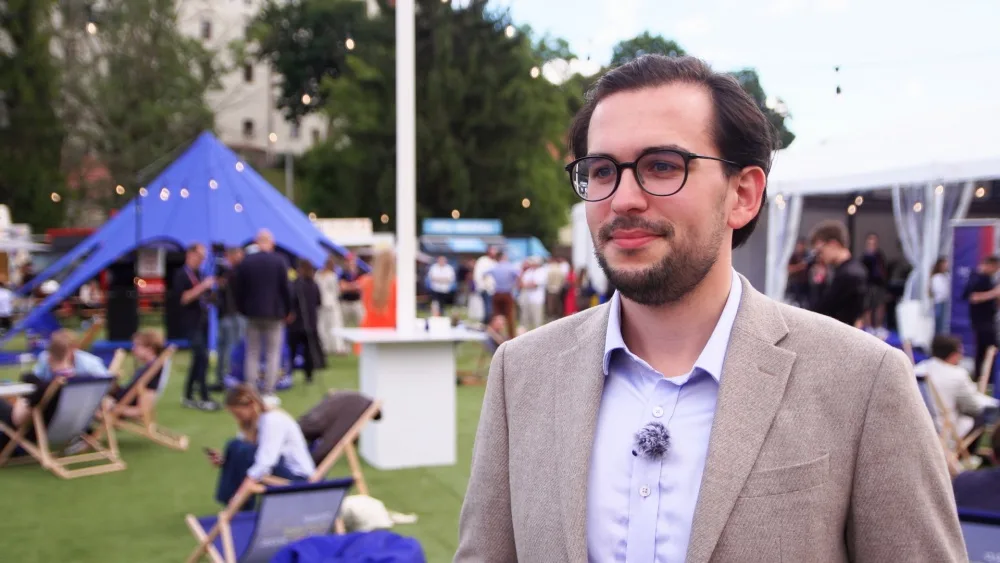
“We used to think of a speech therapist as someone who helps with pronouncing the letter R. Now speech therapists work in neurorehabilitation, including with patients after strokes and accidents,” Arkadiusz Klej, co-founder of the Polish startup SpeechFlow, told the news agency. He argues that the profession’s scope has become significantly wider and more specialised.
Speech therapy is part of neurological rehabilitation
Speech and language therapy can address a broad range of disorders, from voice problems to language impairments associated with brain injury, according to information from the US National Institutes of Health cited in the source report. This makes individual assessment, specialist exercises and ongoing patient engagement particularly important.
SpeechFlow is developing software intended to help specialists create customised therapy materials, activities and games. Klej gives the example of an older patient who worked as a tailor before suffering a stroke. Rather than use generic exercises, a therapist could create activities related to clothing, sewing and the patient’s previous experiences.
“Personalisation has always been possible, but it was very labour-intensive. Technology is making it accessible,” Klej said. He believes familiar subjects and emotionally meaningful material can improve engagement with therapy, although the effectiveness of any particular digital intervention still requires appropriate clinical evaluation.
Screen use and children’s language development
Experts are also examining the relationship between children’s screen habits, everyday interaction and language development. Klej cautions that technology is not inherently harmful: what matters is how it is used and whether passive consumption displaces play, conversation and other learning experiences.
A CBOS survey cited by Newseria found that mobile-device use starts at a very young age in Poland. The proportions of children using such devices were 4% among one-year-olds, 35% among two-year-olds, 47% among three-year-olds, 64% among four-year-olds and 78% among five-year-olds. Average use among children younger than five was below one hour a day, while older children generally spent longer in front of screens.
The American Academy of Pediatrics has recommended avoiding screens for very young children, apart from video conversations, and encouraging adults to choose age-appropriate content and watch it together with children. For children aged two to five, the recommendations cited in the report emphasise limiting screen exposure and prioritising high-quality programming and interaction. Recommendations depend on age and context and should not be understood as evidence that every use of a screen causes developmental problems.
Data from University College London’s Children of the 2020s study, cited in the article, found that two-year-olds with the highest screen exposure, averaging approximately five hours daily, scored lower on a vocabulary measure than children with the lowest exposure, averaging 44 minutes a day. The groups produced an average of 53% and 65%, respectively, of 34 tested words. The association does not by itself establish that screen time caused the difference.
Klej stresses the importance of varied stimulation through play, physical activity, reading and curiosity-driven exploration. The central concern is when screens replace the interpersonal experiences that help young children learn to communicate.
Working conditions and the potential of Polish health technology
The report Społeczne postrzeganie zawodu logopedy a potrzeby logopedów, referenced by Newseria, found that 65% of surveyed speech therapists were dissatisfied with their working conditions. Respondents highlighted the need for improvements in economic conditions (84.1%), the legal environment (76.8%) and social recognition (71%).
SpeechFlow offers tools for generating personalised materials and provides training in designing therapy games. Its development has been supported through the Unicorn Hub startup platform, involving the Polish Agency for Enterprise Development (PARP) and European Funds for Eastern Poland.
Because digital rehabilitation tools may process sensitive personal information, providers must assess their obligations under the EU General Data Protection Regulation and, where applicable, the AI Act and medical-device rules. Compliance requirements depend on what a system actually does and how it is deployed; not every speech therapy application is regulated in the same way.
Klej discussed the company’s development during PARP Future Camp 2026 in Ryn, an event attended by nearly 400 young innovators, startup representatives and industry experts. The broader challenge for developers is to turn personalised digital content into secure, practical tools that complement clinicians rather than replace their professional judgement.
Source: Newseria interview with Arkadiusz Klej; CBOS, University College London, NIH and other research cited in the source report.