


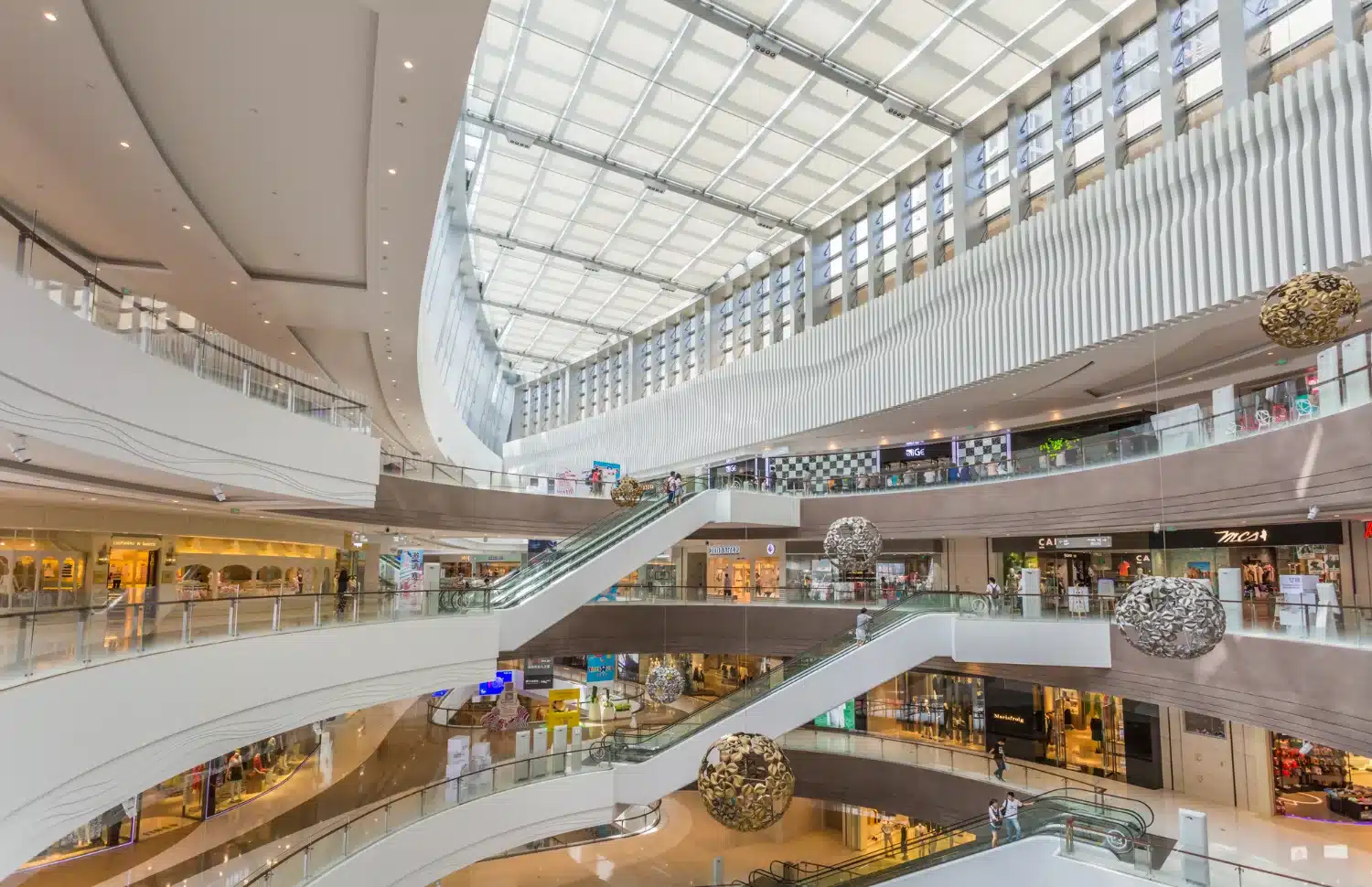
A recent analysis of over 2,000 transactions conducted by global real estate consultancy Cushman & Wakefield reveals that in 2024, tenant activity in Europe was once again dominated by fashion and foodservice chains. However, the most significant growth in demand came from entertainment operators. Similar trends were observed in Poland, which accounted for 12% of all retail transactions in Europe.
Rising Rents Across All Retail Segments
In 2024, retail rental rates continued their upward trajectory across Europe. Prime rents in retail parks hit record highs in many countries on the continent. A notable surge was also recorded on high streets, with rents rising on 44% of the 209 streets monitored by Cushman & Wakefield—up from 30% at the end of 2022 and 35% at the end of 2023. Additionally, 53% of locations saw stable rents.
The steepest increases were observed on premium high streets with strong luxury offerings, fueled by robust tenant demand and low vacancy rates. Italy led the trend, along with prominent retail streets in Hungary and Poland. In Poland, year-over-year rent growth (Q4 2024 vs. Q4 2023) reached 15%, underscoring the growing appeal of high-street retail to both tenants and consumers.
“Polish high streets are becoming an increasingly attractive alternative to traditional shopping centers,” said Michał Masztakowski, Head of Retail Poland at Cushman & Wakefield.
Among the 107 European shopping center markets monitored, one-third experienced rent increases, with declines occurring in only two markets—a marked improvement from 2023 when nearly 10% of locations saw rental drops.
The largest rent hikes were recorded in Portugal, Poland, and Italy. In Poland’s top eight metropolitan areas, prime shopping centers posted annual average rental growth of 10–12%, according to Ewa Derlatka-Chilewicz, Head of Research at Cushman & Wakefield.
Entertainment Operators Surge in Demand
Entertainment tenants emerged as the most dynamic segment, signing 15% more lease agreements and leasing 20% more space compared to 2023. They also sought larger premises, suitable for climbing walls, trampoline parks, and VR centers. While entertainment operators closed the fewest deals among the ten retail segments analyzed, they ranked third in terms of leased area, representing 9% of total demand.
In Poland, this trend is also evident. Entertainment is a key tenant-mix element that draws consumers to shopping centers. According to Cushman & Wakefield’s 2024 survey, 50% of Polish consumers consider large shopping centers their primary destination for entertainment. Though entertainment tenants represent just 2% of units, they occupy disproportionately large spaces such as cinemas, bowling alleys, gyms, and playgrounds—boosting overall foot traffic.
Fashion and Foodservice Drive Retail Demand
Despite the surge in entertainment activity, fashion chains remained the most active tenant group in 2024, accounting for 39% of total leased space and nearly one-third of all lease transactions. Leading brands included JD Sports, Sports Direct, and companies under the H&M and Inditex groups.
The food & beverage (F&B) sector ranked second in transaction volume. In 2024, foodservice operators signed 3% more leases and leased space comparable to the previous year. They were responsible for 17% of all transactions and 8% of leased area. Key players included McDonald’s, KFC, Burger King, and Popeyes, along with fast-growing concepts like Hawaiian Poke Bowl and bubble tea chains such as Bubblify and Crazy Bubble.
Fashion and gastronomy continue to play a crucial role in the Polish retail landscape. In 2024, fashion tenants accounted for 36% of leased space and 27% of transactions. The F&B sector completed 12% of lease deals, totaling 9% of leased area.
“Poland remains attractive to new retail entrants due to positive retail sales data, consumer openness to new brands, and the country’s diverse mix of retail locations. In 2024 alone, 28 new brands entered the Polish market,” noted Anna Oberc-Krzycka, Leasing Team Manager at Cushman & Wakefield.
Premium Locations in High Demand Amid Market Challenges
Amid rising rents and industry-wide challenges such as fluctuating consumer confidence, high operating costs, and uncertainty from new tariffs affecting supply chains, retail chains are increasingly focused on maximizing revenue while optimizing costs.
Many brands are now transforming their flagship stores into strategic destinations—prioritizing quality over quantity. Additionally, international expansion is accelerating, though many brands are targeting specific cities rather than nationwide rollouts. This shift has intensified demand for prime retail locations, where supply remains limited, pushing rents even higher.
The long-term impact of new tariffs on retail demand remains uncertain. Unlike stock market volatility, the effects of trade policies unfold gradually and unevenly across markets. However, these developments add complexity and cost to retail supply chains.
“In our European Retail Radar report, we will continue monitoring the data to assess how these evolving factors shape retail leasing activity in Europe,” concluded Robert Travers, Head of Retail EMEA at Cushman & Wakefield.
Source: CEO.com.pl – Full Article