

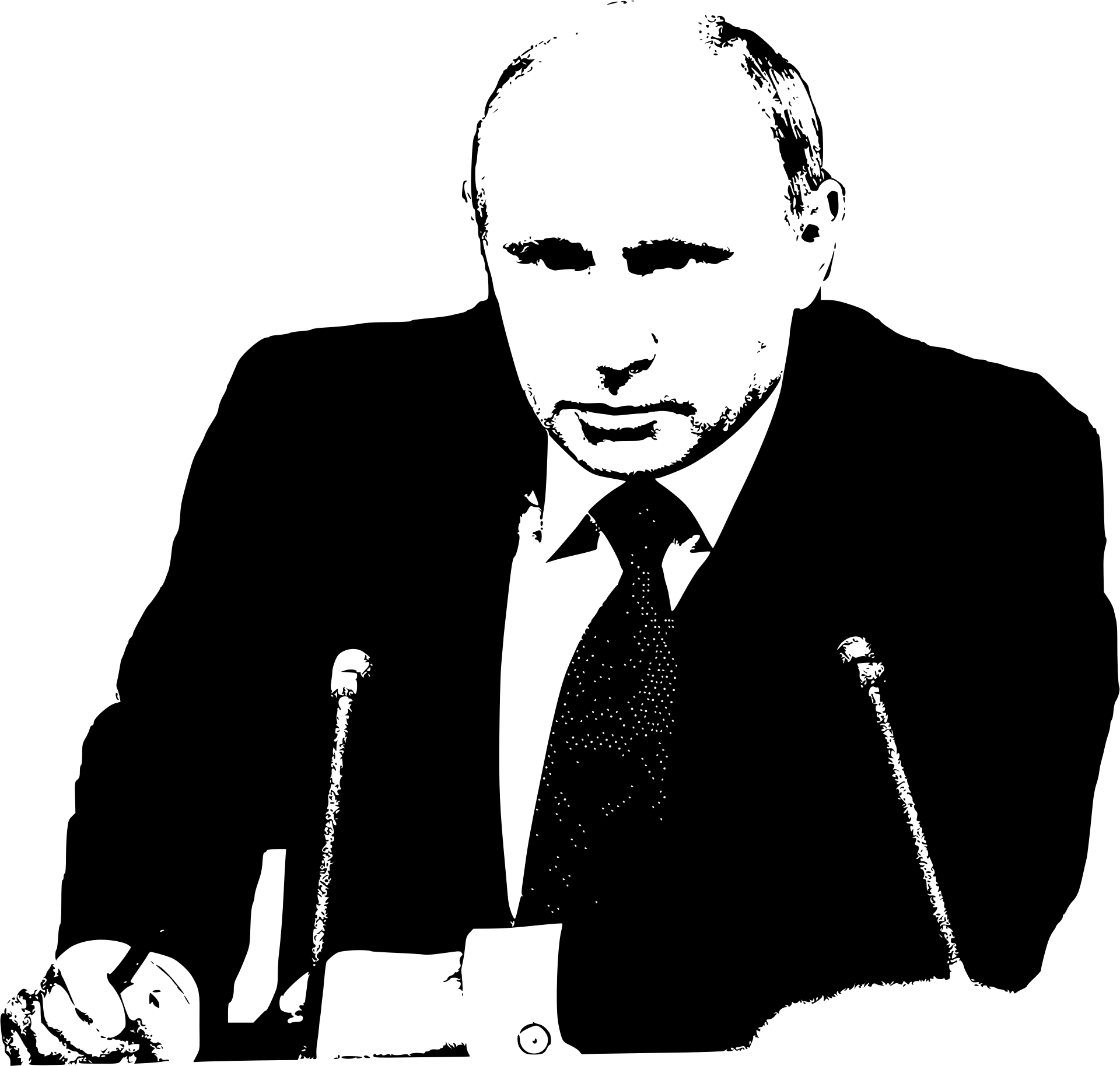
Russian President Vladimir Putin has presented the results of the country’s parliamentary election as evidence of public support for the authorities and for Russian forces fighting in Ukraine. According to Russia’s Central Election Commission, turnout reached 59.3%, while the ruling United Russia party is set to control 355 of the 450 seats in the State Duma.
The vote took place from 18 to 20 September. Putin had framed the election in advance as a test of public backing for the course pursued by the Kremlin since Russia’s full-scale invasion of Ukraine in 2022.
Putin links turnout to support for the military
Commenting publicly on the result, Putin said the high turnout demonstrated support for the state’s policies and addressed Russian soldiers directly, describing the vote as a sign that people believed in them and in Russia’s eventual victory.
That interpretation is the Kremlin’s political reading of the election rather than an independent measure of attitudes toward the war.
United Russia secures a large parliamentary majority
According to official results cited by Reuters, United Russia received more than 57% of the vote and is expected to hold 355 seats, close to four-fifths of the Duma. In the previous parliamentary election in 2021, the party received 49.8%.
The Central Election Commission reported turnout of 59.3% among roughly 111 million eligible voters, the highest parliamentary-election turnout in more than a decade.
Political competition remained tightly constrained
The election was held in a political environment in which most candidates openly opposing the war were excluded from national competition. Yabloko, the only registered party openly calling for an end to the war, failed to win representation in the State Duma.
Voting was also organised in Ukrainian territories occupied and claimed by Russia. Ukraine considers Russian elections held in those areas illegal.
For those reasons, the official result cannot be treated as a direct opinion poll on support for every element of the Kremlin’s military policy. Reuters reported before the election that surveys showed a growing share of Russians — more than 60% in some polling — favouring peace negotiations.
Election took place during major drone attacks
The final day of voting coincided with a large Ukrainian drone attack on Russia. Russian authorities said hundreds of drones were intercepted around the Moscow region. Putin cited queues at polling stations as evidence that voters had not been intimidated.
Independent Russian outlet Meduza reported, however, that at least some queues in Moscow were also caused by failures in the electronic voter-list system, which disrupted the issuing of paper ballots in some locations.
The Kremlin is using the result to argue that it retains a strong domestic mandate. The structure of political competition and the conditions under which the election was held remain important context when interpreting that claim.
Sources: Reuters, Associated Press, Meduza and the Central Election Commission of the Russian Federation.