
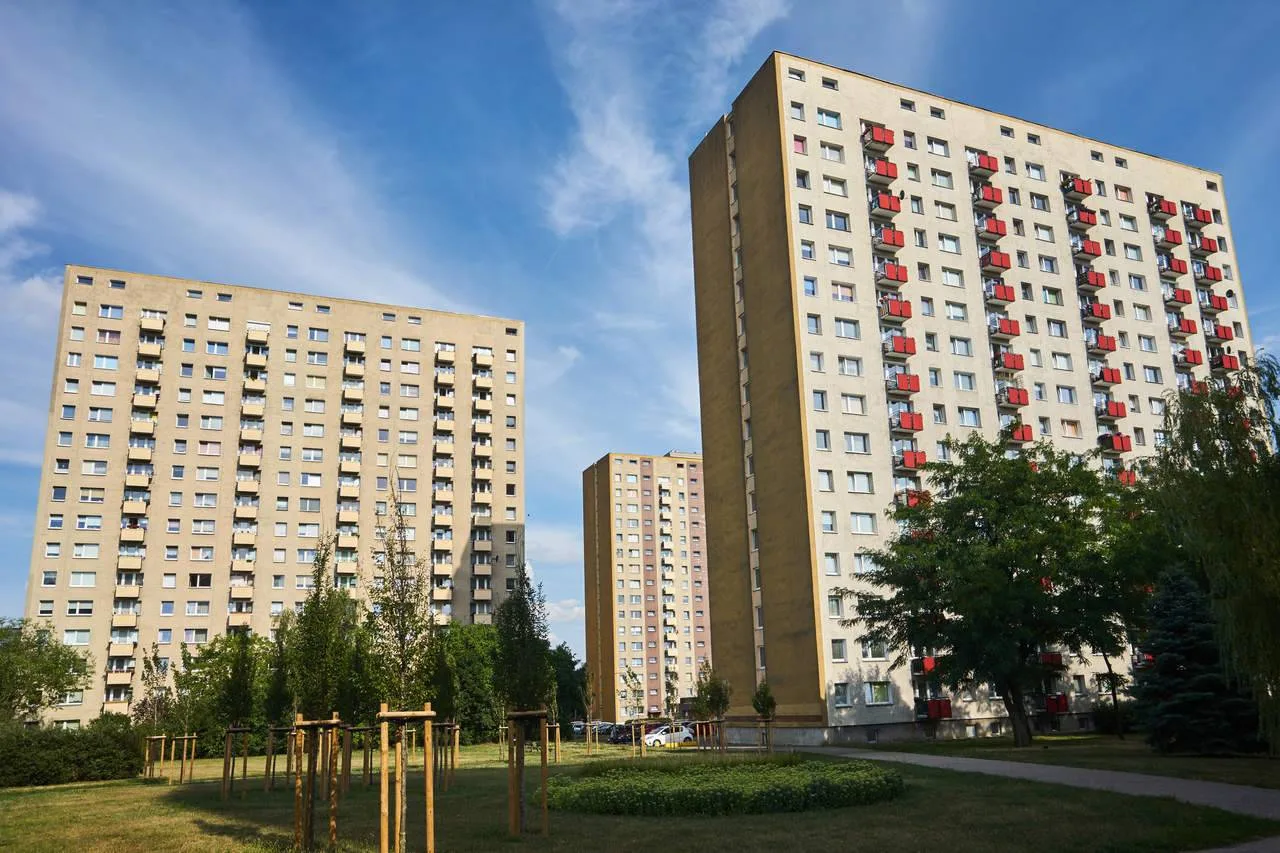


The case of 56 micro-apartments created from 22 flats at Piekary 13b in central Poznań has triggered an unusually clear public response. According to an analysis by Poland’s Institute of Media Monitoring, IMM, 98% of people who expressed a definite opinion supported the building authority’s decision ordering the property to be restored to its original apartment layout. Only 2% opposed the decision.
The dispute concerns a tenement building in which 22 original apartments were divided into 56 smaller units. Some reportedly measured only around 10–14 square metres. The district building inspector concluded that the subdivision had been carried out without the required approvals and ordered the earlier layout to be restored. The regional building authority upheld that decision.
The investor disputes the ruling and has announced plans to take the case to court.
98% support among people expressing a clear opinion
IMM analysed coverage published between 1 and 3 September 2026. The monitoring included 76 items in print, radio, television and online media, as well as around 2,600 social-media posts and comments.
The discussion generated approximately 6,500 shares and 105,000 reactions. Neutral statements accounted for 16% of all analysed material. Once posts without a clear position were excluded, 98% of commenters supported the building authority and only 2% opposed it.
A local dispute became a national housing debate
The scale of the reaction shows that the story was not perceived simply as a conflict between one investor and a local authority. It quickly became part of a wider debate over housing standards, the limits of property owners’ freedom and development practices often described in Poland by the term “patodeweloperka” — a label used for highly controversial or extremely space-efficient housing projects.
Supportive comments focused particularly on the scale of the conversion: 56 units created from 22 apartments, many of them significantly smaller than standard flats.
At the same time, some participants raised concerns about people who had already bought the micro-units. They argued that legal and financial costs resulting from restoration of the original layout could eventually affect individual owners or the housing community. This issue may become particularly important if the dispute proceeds to court.
The minority argument focuses on property rights
The small group criticising the authority’s decision mainly referred to contractual freedom and the owner’s right to decide how a property is used. Their argument was that if a buyer knows the size and conditions of the transaction, public authorities should be cautious about restricting such choices.
The case therefore illustrates a broader legal and policy tension: private property rights on one side, and building regulations and minimum housing standards on the other. In the Piekary 13b case, the inspector concluded that the legal boundary had been crossed.
‘Patodeweloperka’ remains a powerful term in Poland
IMM notes that the term has become one of the most resonant expressions in Poland’s housing debate. From February 2020 to early September 2026, more than 40,000 monitored publications used the phrase.
The Poznań case shows why such disputes generate strong emotions. They touch on the question of whether housing should be treated primarily as an investment product or as living space subject to public standards. That helps explain why an administrative building decision that might otherwise have remained a local story produced such an overwhelmingly one-sided online response.
Source: ManagerPlus; Institute of Media Monitoring, Radio Poznań, TVP3 Poznań and Piekary Residence materials.



