
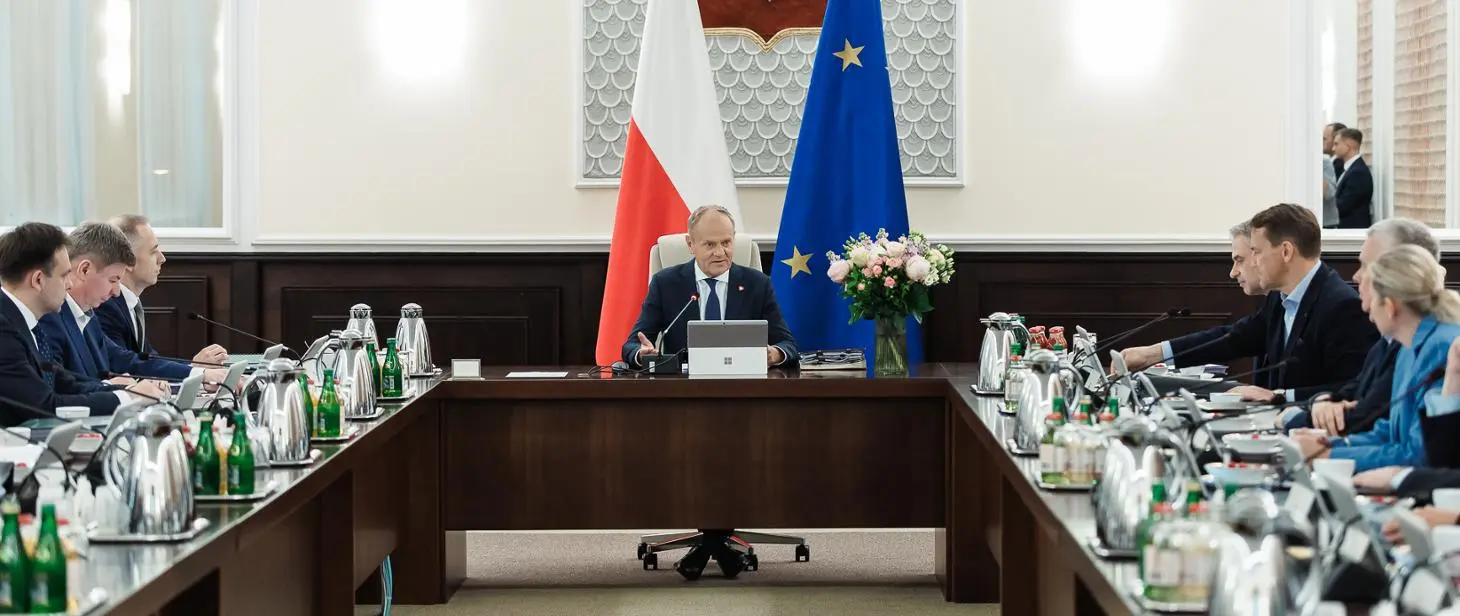


Poland’s government has adopted a multi-year National Programme for the Exploration of Critical Raw Materials. The plan creates a state-backed mechanism for identifying and initially assessing domestic deposits, with the broader goal of reducing dependence on suppliers outside the European Union.
The programme combines geological mapping, geochemical and geophysical surveys, a fresh analysis of historical geological data and new drilling. The government wants to improve knowledge of Poland’s mineral potential before decisions are made on possible commercial extraction.
Critical minerals move up the strategic agenda
Access to critical raw materials has become a central issue for European industry. Many technologies used in renewable energy, batteries, electronics, defence and advanced manufacturing depend on minerals whose global production is concentrated in a relatively small number of countries.
Poland’s programme is intended to identify resources that could strengthen domestic and European supply chains. Exploration itself does not guarantee that a deposit will ultimately be mined: economic viability, environmental requirements and permitting will remain decisive.
Reducing external dependence
The initiative fits into the European Union’s broader effort to diversify sources of strategic materials. For Poland, better geological data could also help attract investment in mining, processing and industrial projects linked to critical minerals.
The government’s decision marks the beginning of a long-term exploration process rather than the launch of immediate extraction projects. Its significance lies in creating a systematic inventory of resources that may become strategically important for the Polish economy.



