


Poland is expanding access to modern cancer treatment. In 2025, reimbursement covered 152 innovative therapies, including 63 oncology molecule-indications, according to a report on implementation of the National Oncology Strategy. Specialists say cancer cure rates continue to improve, although not every new approach has delivered the breakthrough once expected.
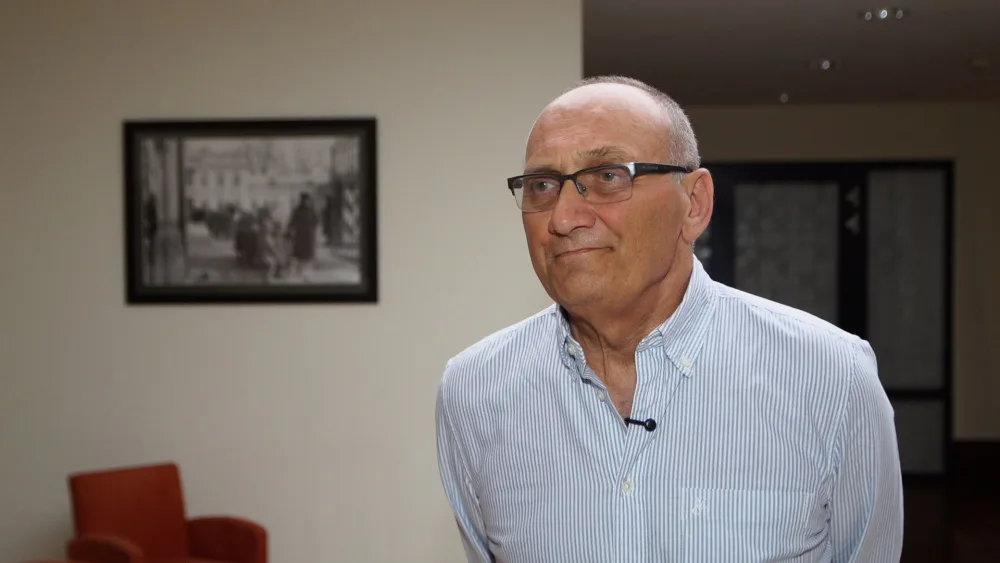
Prof. Jacek Jassem of the Medical University of Gdańsk says the share of cancer patients who can be cured is now around 60%, compared with roughly 25–30% when he began his career in the second half of the 1970s.
Malignant cancers remain Poland’s second most common cause of death among adults. More than 180,000 new cases are diagnosed each year and annual deaths exceed 100,000. Population ageing means the number of cases is expected to rise further.
Progress is substantial, but uneven
Modern oncology includes surgery, chemotherapy, radiotherapy, immunotherapy, targeted therapy, hormone treatment and stem-cell transplantation. However, some approaches that once generated high expectations have produced more limited gains. Prof. Jassem points to escalation of cytotoxic chemotherapy doses and anti-angiogenic therapies as examples.
Gene therapies and cancer vaccines also have yet to deliver the broad clinical breakthrough once anticipated, although both areas remain under active development. At the same time, targeted therapies continue to open new possibilities, including for cancers with historically poor outcomes.
A 2025 All.Can Poland report highlighted continuing system-level barriers, including diagnostic delays, workforce shortages and underfunding of some procedures. Priorities include faster diagnosis, wider access to comprehensive genomic profiling, stronger laboratory accreditation and training a new generation of diagnostic specialists.
Source: Newseria, National Oncology Strategy, All.Can Poland.



