

Poles generally rate their health fairly positively, but a PZU Zdrowie report reveals substantial problems with mental wellbeing, fatigue and healthy habits. Eight in ten respondents said they experienced chronic fatigue at least occasionally, including 28% who reported it frequently. Younger generations gave their mental wellbeing the lowest ratings. Despite growing awareness of prevention, 15% had undergone no preventive examination in the preceding year.
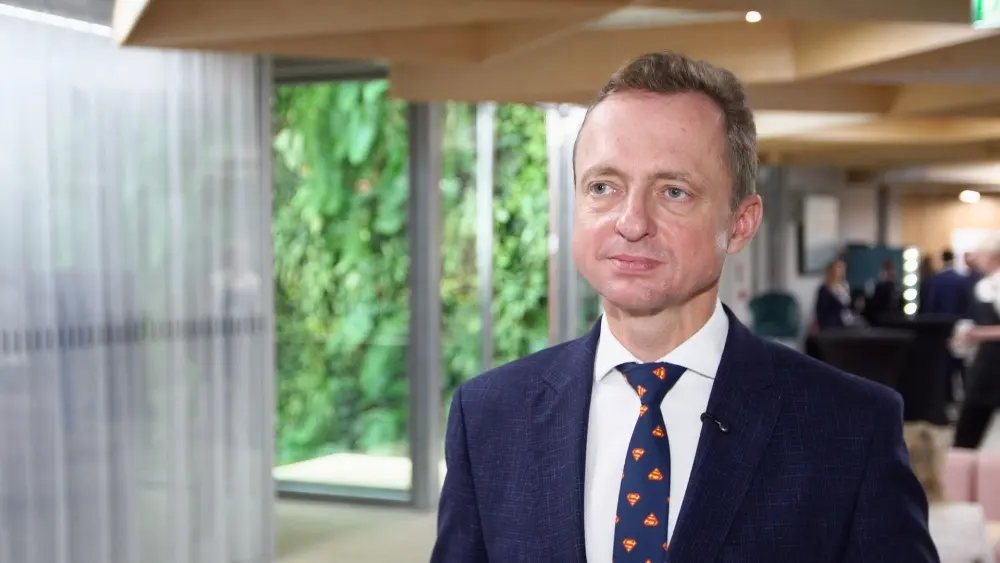
“Health is one of the most important parts of Poles’ lives. We prepared a special report involving more than a thousand people. Some 64% rate their health as good or very good,” Czesław Ducki, a PZU Zdrowie management board member and co-author of the report, told Newseria.
Younger adults report poorer mental wellbeing
The report, “Epidemia zmęczenia. Polacy nie mają czasu na zdrowie”, found that younger respondents were more likely to describe their overall health as very good. The proportion was 24% among people aged 18–24 and 23% among those aged 25–29.
Their assessment of physical health was more favourable than their assessment of mental wellbeing. In the 18–24 group, 18% rated mental wellbeing as bad or very bad, while 32% rated it as good or very good.
The pattern was different among older adults. Only 4% of respondents over 60 described their overall health as very good, yet 74% rated their mental wellbeing positively.
Ducki said younger generations reported more mental-health difficulties but were also more likely to seek professional support, which he regarded as a positive sign.
In the preceding 12 months, 21% of respondents had used the services of a psychologist, psychotherapist or psychiatrist. The figures were 29% among people aged 18–24, 32% among those aged 25–29 and 33% among those aged 30–39, compared with 9% among people over 60.
Fatigue, stress and working while unwell are widespread
Ducki emphasised that health is more than the absence of illness. Stress, exhaustion, low mood, sleep and future disease risks also matter, and physical and mental health influence one another.
Over the preceding three months, 80% of respondents had experienced chronic fatigue at least occasionally, including 28% frequently. Only 18% said they had not experienced it during that period.
Among working respondents, one in three reported work-related stress at least several times a week. Some 68% said they worked at least sometimes despite illness or poor wellbeing that would justify rest or sick leave.
Two-thirds of employees said they experienced symptoms of burnout at least occasionally.
“This is a very serious warning signal. Chronic fatigue and stress affect our physical and mental health, often over many years before symptoms of illness emerge,” Ducki said. He called for greater awareness of the potential long-term consequences.
Sleep and prevention leave room for improvement
The most common sleep duration was six to seven hours a night, reported by 39%, followed by seven to eight hours, at 28%. One in four respondents slept no more than six hours, while only 7% reported more than eight hours.
Ducki highlighted physical activity and positive social relationships as ways to support health and reduce stress. He noted that building such relationships can be particularly challenging for younger people.
Respondents’ biggest health fears were cancer, at 40%, loss of mobility and independence in older age, at 33%, and heart and cardiovascular disease, at 30%.
Blood tests were the most commonly reported preventive examination, at 63%. Nevertheless, 15% said they had undergone none of the preventive tests covered by the survey in the previous 12 months.
“Prevention makes sense when we feel healthy and nothing is troubling us. We want diagnostic tests to detect the smallest possible changes, so we can investigate further and direct the patient to the appropriate specialist,” said Anna Nikołajew-Diak, a nurse and obstetrics coordinator at PZU Zdrowie.
She stressed the importance of first contact, often with nurses and midwives, who may see patients more frequently than doctors and identify emerging concerns.
Access, cost and time discourage examinations
The main barriers to preventive testing were long waits for appointments or tests, at 32%, costs, at 31%, and difficult access to specialists, at 30%. Lack of time was cited by 20%, while work commitments were cited by 10%.
Ducki said employer-funded preventive packages can help, as can allowing employees a few hours away from work for examinations. In his view, these measures benefit both workers and employers over the longer term.
Some 40% believed their employer looked after employees’ health, while 41% disagreed. Respondents wanted greater support through prevention, additional health-related days off, psychological services and medical care for family members.
“We must not put prevention off until tomorrow. Tomorrow’s schedule will also be full, but health will not wait,” Nikołajew-Diak said. She encouraged people to ask their healthcare provider which preventive programmes are available to them.
Health awareness can be passed between generations
The strongest motivation for preventive examinations was a desire to monitor health, cited by 46%, with its importance increasing with age. Younger respondents were more influenced by family medical history, information in the media and support from relatives. Older respondents relied more on doctors’ recommendations and their own experience.
Nikołajew-Diak said encouraging a positive attitude to testing among younger people could help them pass that approach on to their children and relatives.
The report’s publication was accompanied by PZU Zdrowie’s “Pociąg do Zdrowia” campaign at railway stations in five Polish cities.
Ducki said around 700 people were examined in one day, with access to cardiologists, dermatologists, nurses and dietitians, as well as ECG and tests for glucose, cholesterol and vitamin D.
According to his account, the examinations detected a heart condition in one child and raised suspicion of serious cancer in two people, who were referred for further diagnosis. Other participants with unfavourable results were directed towards further care.
Source: Newseria. English adaptation of the original report.