


Online material depicting the sexual abuse of minors, including certain generated or altered images using a child’s likeness, is to be covered by a procedure allowing immediate blocking in Poland. The Sejm Committee on Digitalisation, Innovation and Modern Technologies unanimously backed an amendment expanding the catalogue of the most serious illegal content covered by the accelerated mechanism.
The change is part of legislation adapting Polish law to the EU Digital Services Act, DSA. The bill creates an administrative procedure for restricting access to specified categories of illegal online content.
Orders will be issued by the president of the Office of Electronic Communications, UKE, and — within a defined scope — by the chair of the National Broadcasting Council, KRRiT.
For the most serious offences, a decision may be given immediate enforceability. In practice, this means access to the material can be restricted without waiting for the entire appeals process to conclude.
The draft contained a gap concerning children
The original catalogue of offences subject to the fastest procedure did not include all acts covered by Article 202 paragraphs 3–4c of Poland’s Penal Code.
Those provisions concern, among other things, producing, storing, distributing and presenting pornographic material involving minors, as well as certain material using a generated or altered image of a child.
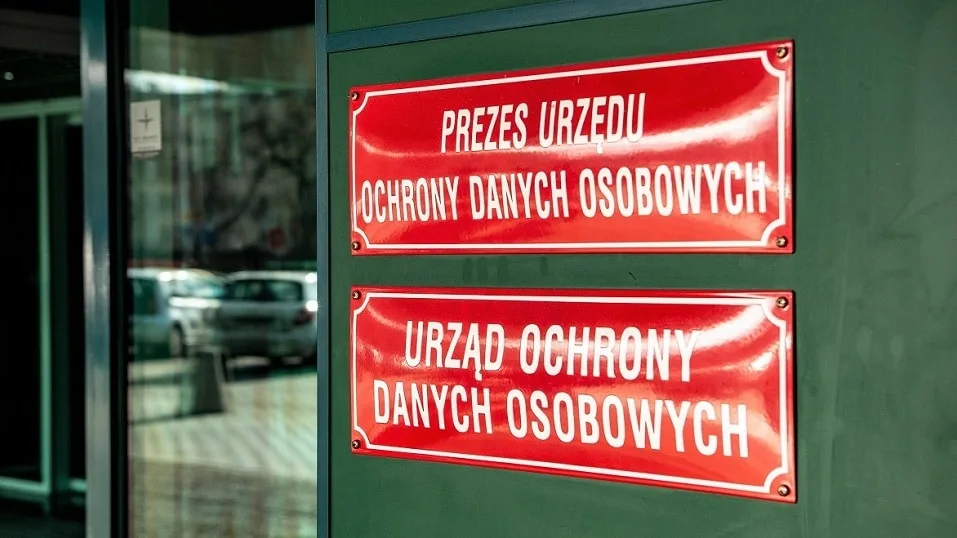
Mirosław Wróblewski, president of Poland’s Personal Data Protection Office, UODO, had argued from the beginning of the legislative process that excluding this material from the accelerated blocking procedure created a serious gap.
Speed is particularly important online. Once a photo or video is published, it can be copied, forwarded and reposted across multiple services within hours, increasing the harm to the child involved.
UODO points to AI-generated abuse cases in schools
The issue is not theoretical. UODO has dealt with cases in which AI-based tools were allegedly used to alter photographs of schoolgirls to create nude images that were then distributed through social media.
During parliamentary work, UODO representative Olgierd Jakubowski stressed that rapid circulation of such material among pupils can have severe consequences for the affected child in a very short period of time.
The authority therefore argued that in the most serious cases involving the sexual exploitation of minors, regulators should be able to order blocking before the full administrative procedure is exhausted.
The committee backed the amendment unanimously
The bill was considered at second reading in the Sejm on 2 September. After amendments were submitted, it returned to the Committee on Digitalisation, Innovation and Modern Technologies.
The following day, the committee reviewed the changes. The amendment adding offences under Article 202 paragraphs 3–4c to the accelerated regime received support from every MP taking part in the vote. The government also supported the change.
The mechanism is limited to specified illegal content
The bill does not create a general power for the administration to remove any material it considers objectionable. Blocking orders are linked to specific categories of criminal conduct set out in the law.
These include the most serious offences against life and health, terrorism, human trafficking, sexual offences, fraud and selected hate-motivated crimes.
The draft also contains safeguards intended to prevent the procedure from being used against lawful speech. Among other things, the blocking mechanism must not negatively affect civic discourse or electoral processes.
Following the amendment, the most serious child sexual abuse material — including specified manipulated or generated images involving minors — will be among the categories eligible for the fastest intervention.
Source: ManagerPlus; Polish Personal Data Protection Office and parliamentary proceedings.



