

Social media, recommendation algorithms and artificial intelligence increasingly shape the information voters see. At Krynica Forum 2026, Polish lawmakers debated how these tools could be used in the 2027 parliamentary election and what voters and institutions can do about manipulation, disinformation and fabricated content.
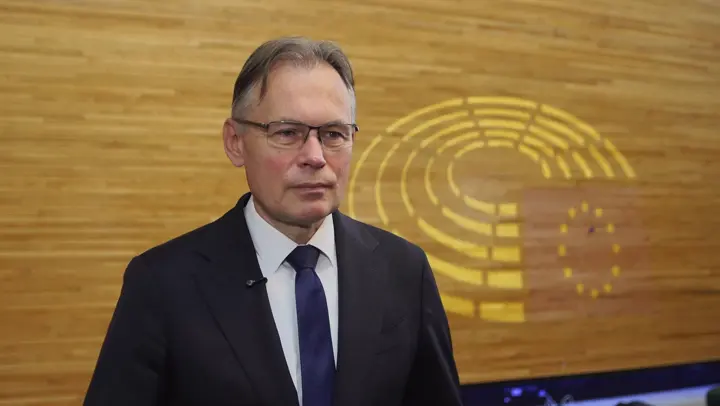
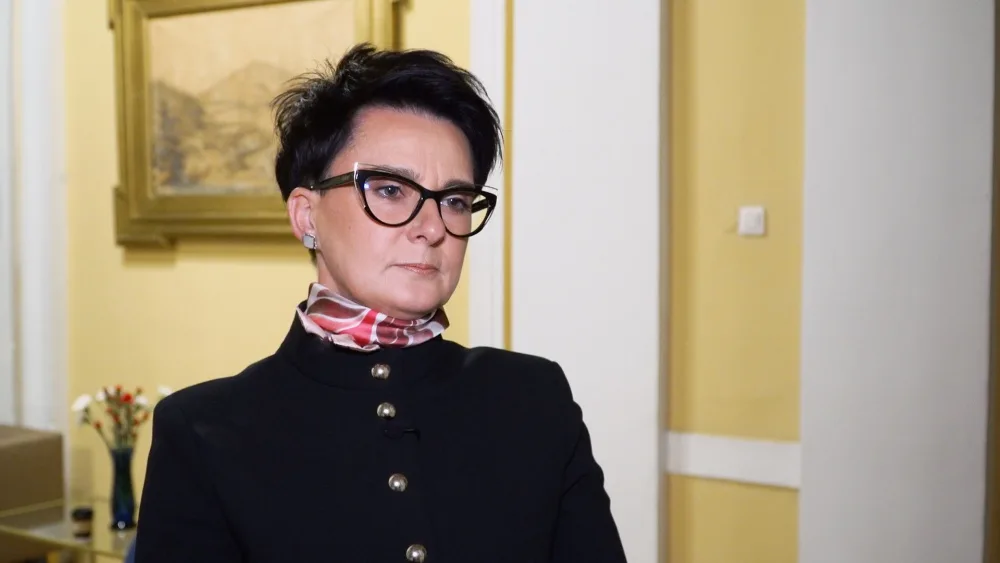
Newseria spoke with Polish People’s Party lawmaker Urszula Nowogórska, Civic Coalition lawmaker Witold Zembaczyński and independent lawmaker Paulina Matysiak.
“New technologies will certainly play a very large role in next year’s election. I think that will surprise many people, both those taking part in the campaign and those helping with it. I think it will be a completely different campaign model. We will probably move away from traditional methods such as banners and billboards, and much of the campaign will move online, with artificial intelligence involved as well.”
Urszula Nowogórska
“New technologies can play a useful role in the 2027 election on one condition: their use must be transparent, and the election must be decided by people’s votes, not by algorithms from California and trolls from St Petersburg.”
Witold Zembaczyński
“New technologies were used in previous campaigns and probably will be used in future ones. I would not assume they will affect the election result. I would not worry about that.”
Paulina Matysiak
What monitors found in the last campaign
A report by Poland’s Institute of Public Affairs found that social media played an important role in communication, mobilisation and identity-based messaging during the 2025 presidential election. Candidates tailored their messages to audiences on Facebook, X, TikTok and Instagram.
The fact-checking association Demagog tracked profiles involved in influence operations and the spread of manipulated narratives during that campaign. Posts showing signs of such activity attracted more than 20 million views. Activity on the accounts rose 756% from March to April and a further 118% from April to May, sometimes reaching several hundred posts a week. Demagog documented pro-Russian messaging about the war in Ukraine, attempts to undermine confidence in the election and coordinated efforts to damage politicians’ reputations.
“Deepfakes and disinformation are obviously very dangerous, and not just during election campaigns. We face them every day. Removing misleading posts is a major responsibility. They are very often attempts at fraud or scams, and during elections they can affect the ability to respond and issue a correction. The biggest risk is that time is short during a campaign. If fake news is released a few minutes or a little more before the campaign blackout, it is much harder to correct it and explain what is really going on.”
Paulina Matysiak
“After the recent $25 billion fine against Facebook for passing data to the Trump campaign, and after Poland’s NASK flagged inappropriate content to platforms and algorithm-driven media and they failed to remove it, I have no doubt that the person who loses out is the person being manipulated without knowing an algorithm is influencing them. The point is to make the algorithm transparent and level the playing field.”
Witold Zembaczyński
The fine figure is Zembaczyński’s claim as quoted by Newseria.
NASK’s Disinformation Analysis Centre sent platforms more than 65,000 reports about accounts and content in the first half of 2026, according to its report cited by Newseria. Platforms removed material in 7% of cases and took moderation action in more than 17%. Nearly 50,000 reports went unanswered.
At the end of 2024, the European Commission opened formal proceedings against TikTok over a suspected breach of the Digital Services Act. It was examining whether the platform had adequately assessed and mitigated risks to election integrity, particularly in connection with Romania’s presidential election.
How chatbots could become a target
A report by the Helm–Cyfrowy Ster foundation identified the manipulation of AI chatbots as a risk for 2027. Models can produce biased answers or draw on manipulated sources. Campaigners or other actors could try to steer a chatbot towards a politician or flood the web with fabricated material that models may later use as a source.
“If AI is used in a campaign or in any other activity, it should of course be subject to some oversight. It can be very helpful if we use it for good purposes, but sometimes it can do more harm than good, for example when used in a smear campaign. Those activities should be monitored.”
Urszula Nowogórska
“With AI it is simple: it should be labelled every time. There is nothing wrong with using artificial intelligence or chatbots. What is wrong is hiding it. Today algorithms are an invisible player on a tilted playing field. I only want the game to be fair, meaning you can see who is playing. Users should be able to see the algorithm.”
Witold Zembaczyński
The foundation also warned about the mass production of low-quality AI-generated political content, sometimes called “slopaganda”. Even when individual pieces are easy to spot, the volume makes information harder to assess.
“I once said that there should be no opinion polling in the six months before an election. I think this is a good time to revisit that idea and also limit AI’s influence over how voters form their views. It is very easy to put together false theories that may influence voters and turn out to be complete lies. Voters need to be especially alert. They should be fully aware that AI brings both good and bad things.”
Urszula Nowogórska
Poland’s Ministry of Digital Affairs is setting up a centre to identify and expose disinformation narratives. Its priorities include foreign influence operations, safeguarding democratic processes and assessing tools used to create deepfakes or run automated influence campaigns.
“Social media certainly have a major impact on the results of parties, electoral committees and candidates themselves, but they are not the only way to reach voters. It is better to reach them directly, through conversations and meetings. I think that is still a more powerful way to influence people than social media.”
Urszula Nowogórska
“Information bubbles are part of everyday life, and anyone in one knows how difficult it is to break out. Politicians have to rise to the challenge, face other people, debate and disagree. It is up to voters to pick up a different newspaper or weekly from the one they usually read. It is hard work, but it pays off. We form our own opinions. We do not live on a diet of internet mush and AI slop. We know what we want, what we like and who we want to vote for.”
Paulina Matysiak
“The information bubble is a product of Big Tech. It is an algorithm that makes money for platform owners. An algorithm cannot make decisions for people. In elections, people are the ones who should decide, not an algorithm they cannot even see. Internet users should have the right to see their content in chronological order rather than the order set by an algorithm.”
Witold Zembaczyński
Source: Newseria, reporting from Krynica Forum 2026.