

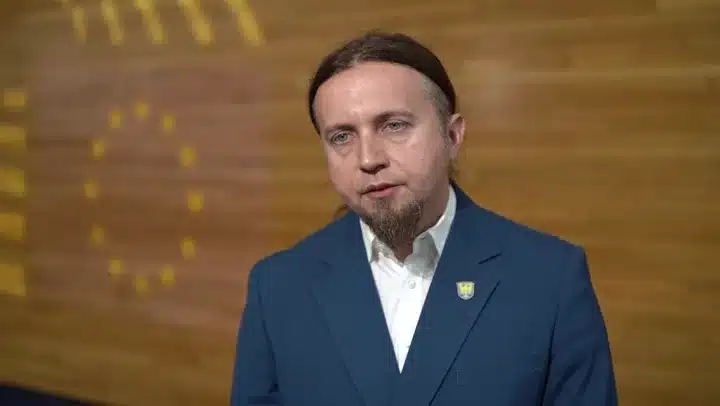
The prospect of Norway and Iceland joining the European Union is gaining traction, with discussions about potential referendums underway in both countries. According to MEP Łukasz Kohut from Poland’s Civic Coalition (KO), their accession would significantly strengthen the EU and carry important strategic implications for Poland.
“There is growing mobilization in the Nordic region, especially after Finland and Sweden joined NATO. Now, the EU membership debate has begun in the two remaining non-EU countries in the region — Iceland and Norway,” Kohut told the Newseria agency.
Iceland: A Two-Stage Referendum Process
The Icelandic government has announced plans to hold a referendum in 2027 to gauge public support for starting EU accession negotiations. If the vote is favorable, it would be followed by a second referendum after the negotiation phase to decide on full EU membership.
Kohut noted that “the situation in Iceland is very dynamic,” especially as public sentiment remains divided. A recent Gallup poll from April showed that 44% of Icelanders support EU membership, while 36% are opposed — figures similar to those from three years ago, though support had been rising at the time. Support for joining the EU is highest among residents of the capital and university-educated individuals.
Meanwhile, Iceland’s NATO membership enjoys overwhelming backing: over 71% are in favor, with fewer than 12% opposed.
Norway: A Third Referendum in Sight?
Norway’s path is more complex. The country rejected EU membership twice — in the 1970s and again in the 1990s. However, recent geopolitical developments and the anticipated return of Jens Stoltenberg to domestic politics may renew the conversation.
“Following the upcoming parliamentary elections, expected around October this year, a national debate on holding a third referendum on EU membership may begin,” Kohut explained.
A poll conducted in April for Norwegian newspapers Nationen and Klassekampen indicates that EU membership is now closer than at any point in the last 20 years. Support stands at 33%, while 42% remain opposed — a notable shift from 2012, when over 70% opposed joining and only a small minority supported it.
Strategic Implications for the EU and Poland
“Norway joining the EU would be a tremendous boost — not only for the Union but for Norway itself,” said Kohut. “It’s a powerful economy that completed its energy transformation long before it became a mainstream topic. It would also send a strong military signal, reinforcing Europe’s unity.”
For Poland, such an expansion would be strategically significant:
“It would help complete the political map of Northern and Baltic Europe within the EU framework. Prime Minister Donald Tusk has already visited all the Nordic countries, which I believe is critical. These nations, while small in numbers, have highly capable armed forces with combat experience. Their membership would reinforce Poland’s northern flank.”
Existing Ties Between Norway and the EU
Though Norway is not an EU member, it maintains close ties with the bloc. The country is part of the Schengen Area and serves as a key energy and security partner for the EU — and especially for Poland.
In December 2024, the Norwegian Armed Forces deployed a NASAMS air defense system at Rzeszów–Jasionka Airport in Poland to protect against aerial threats. In January 2025, the Norwegian government confirmed that F-35 fighter jets were patrolling Polish airspace as part of NATO’s eastern flank defense operations.
Poland and Norway are also strengthening defense industry cooperation. In April 2025, high-level talks took place in Warsaw between the countries’ defense ministries. A new intergovernmental agreement was also signed, launching the fourth edition of the Norwegian Funds (2021–2028). Under this initiative, Poland will receive over €441 million (approx. PLN 1.9 billion) to support local development, green innovation, justice, culture, and internal affairs projects.
Both nations continue to work closely within the NB8 group (Nordic-Baltic Eight), where regional security remains a top agenda item.
Source: CEO.com.pl – Norway and Iceland Consider Joining the EU