

Today’s press conference following yesterday’s interest rate decision by the National Bank of Poland did not bring any major surprises. As a result, market pricing of interest rates and the exchange rate of the Polish zloty remained largely unchanged.
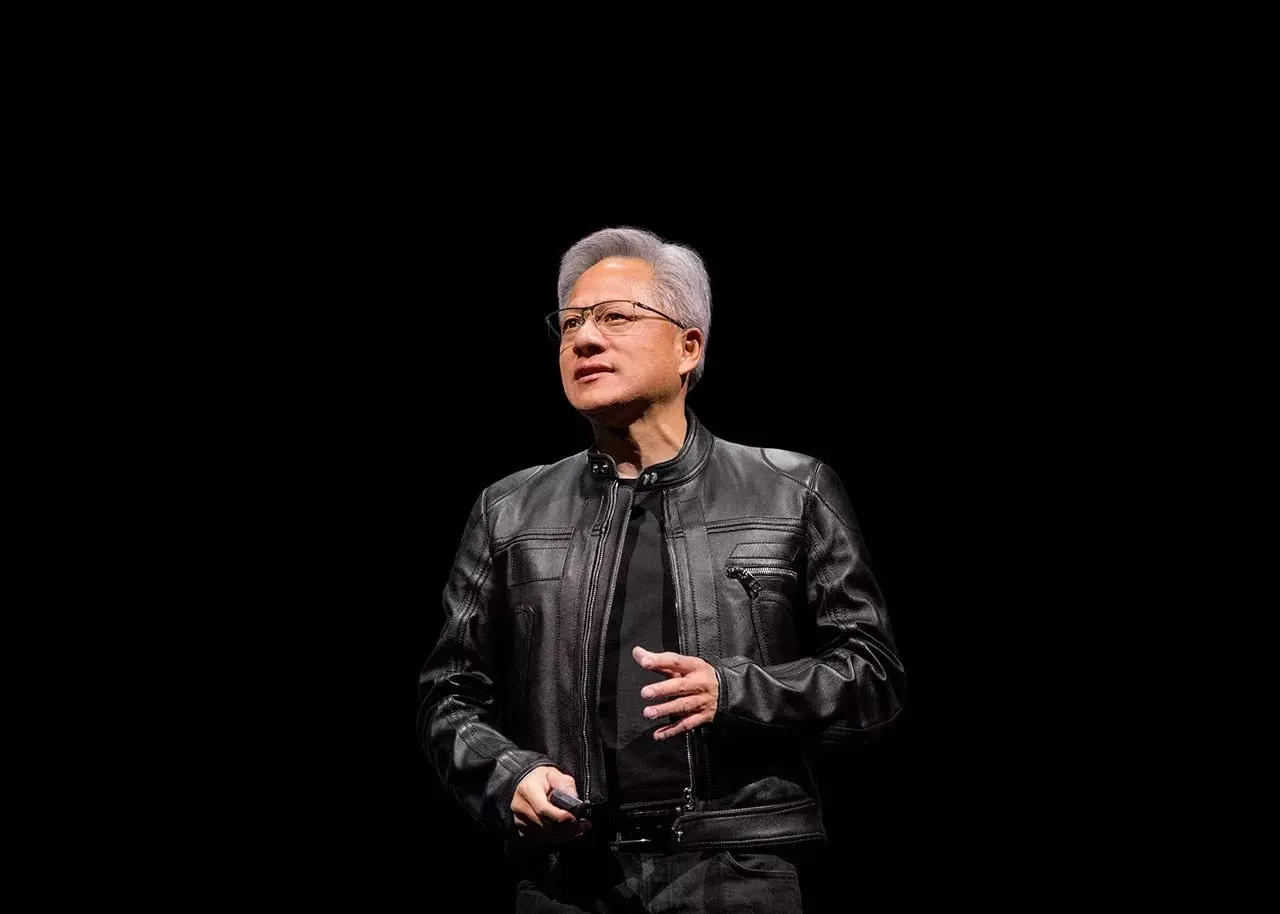
Adam Glapiński justified the recent rate cut by pointing to several supporting factors, including slower wage growth – which has fallen to around 6% – as well as data suggesting that the Polish economy is not at risk of overheating.
Although the escalation of tensions in the Middle East did not influence Wednesday’s decision, it has increased uncertainty regarding the economic outlook. In this context, the central bank governor placed greater emphasis on keeping policy options open and avoiding precise forward guidance to the markets about what might happen next. At the same time, he suggested that the prospects for further rate cuts have deteriorated. He also appeared to downplay the potential impact of the situation in the Middle East on inflation.
Unlike some market observers, we do not believe there is a significant risk that the rate cut – which we had previously expected – will prove to be a policy mistake. In our view, the move was justified by the current economic environment, characterized by subdued price pressures and relatively encouraging inflation prospects. While the supply shock related to geopolitical developments requires monitoring, it is unlikely to have a major impact on the central bank’s policy stance. Naturally, much will depend on the scale of the shock and its potential effects on broader inflationary pressures.
We still believe that interest rates will likely decline further, potentially reaching 3.5%. However, the Monetary Policy Council appears in no rush to continue easing, and we expect policymakers to pause further adjustments for the time being.