
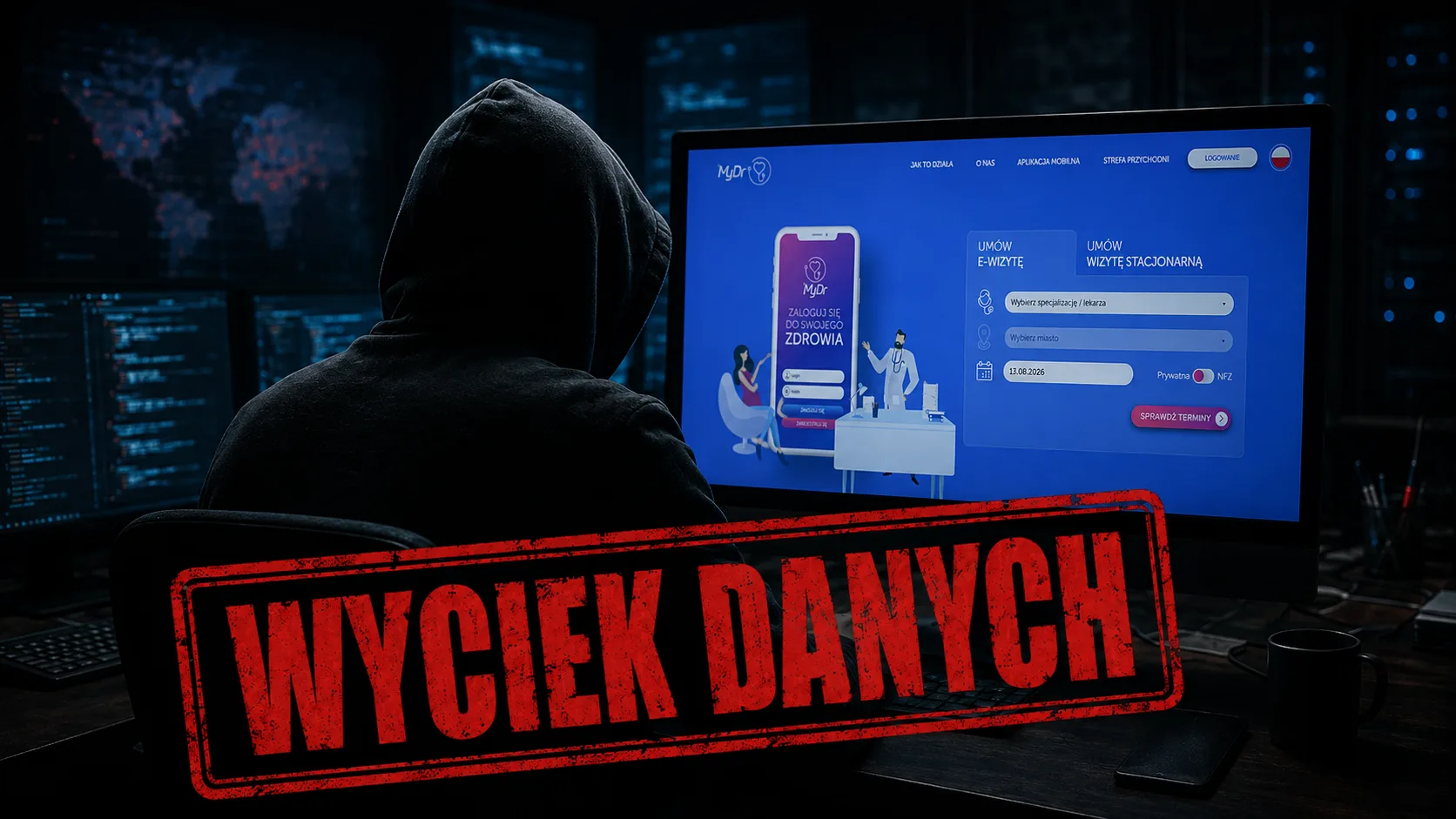
By September 17, data controllers using MyDr services had filed more than 2,000 formal personal-data breach notifications with Poland’s Personal Data Protection Office, UODO. More than 50 complaints and signals also came directly from patients, while some people affected by the incident have begun sending clinics pre-litigation demands for compensation.
The patient complaints are separate from the formal notifications submitted by clinics and other controllers. They come from individuals who believe their personal information may have been involved in the incident.
Patients are sending compensation demands
Some patients who received breach notifications have begun demanding payment from healthcare providers before taking the matter to court. Claims may relate to proven financial loss or to non-material harm such as stress, fear or loss of control over personal information.
The Medical Law Advisory Centre, which represents 52 facilities working with MyDr, told Dziennik Gazeta Prawna that around 30 had received such demands. According to the organisation, they have been arriving almost daily since early September.
The amounts most often cited range from several thousand to several tens of thousands of zlotys. Some patients are asking only for the details of the facility’s insurer so they can direct a claim there.
A demand for payment does not by itself establish liability. A court may ultimately have to determine whether damage or non-material harm occurred, who is responsible and what level of compensation is appropriate.
The exposed data may include PESEL numbers and medical information
MyDr has been informing healthcare providers about the categories of information affected and supplying lists of patients linked to the incident. The scope differs depending on the individual and the data entered by a particular facility.
Potentially affected information may include names, addresses, contact details, PESEL identification numbers, health and social-insurance information, employer details and other identifiers. UODO president Mirosław Wróblewski has also pointed to the possible exposure of diagnoses, prescriptions, test results and medical recommendations.
Clinics have separate GDPR obligations
Under the GDPR framework, a healthcare provider will generally act as the controller of its patients’ personal data, while a software provider such as MyDr may act as a processor for those services.
If a controller establishes that its data were affected, it must assess the risk to the rights and freedoms of the people concerned. Where the relevant threshold is met, the breach should be reported to UODO, where feasible within 72 hours of becoming aware of it.
If the breach is likely to create a high risk for the individual, the controller may also need to notify the affected person without undue delay. MyDr has made tools available to facilities for sending notifications by SMS or email.
UODO is examining MyDr and other healthcare providers
UODO is conducting an inspection of MyDr covering technical and organisational safeguards and risk analysis. On September 16, the regulator announced that it would expand checks to additional healthcare entities, including how they protect patient data, contract with software suppliers and respond to incidents.
The regulator has described the case as the largest patient-data leak it has dealt with to date, particularly because of the potential involvement of sensitive health information.
Patients are advised to watch for identity fraud and phishing
UODO has advised affected people to consider reserving their PESEL number, including through the mObywatel application, and to be especially cautious about messages or calls that use genuine personal details to appear credible.
Patients should not disclose additional personal information, authorisation codes or online-banking credentials to unknown callers or senders.
People affected can also exercise their GDPR rights directly with the controller. As a rule, the organisation should respond within one month. Compensation may be available where a breach causes financial or non-material damage, but the fact that information was included in an incident does not automatically determine liability or the amount of any award.