


More than three quarters of Poles have encountered false information, and social media is the main source. The latest ‘Disinformation Through the Eyes of Poles 2026’ report shows how difficult it has become to distinguish manipulation from reliable information: 91% of respondents believed at least one false narrative presented to them.
Disinformation is becoming a security issue
According to the report published by the Digital Poland Foundation, 77% of Poles have encountered false information, three in four regard disinformation as a serious problem and almost half see influence operations as a threat to national security comparable to an armed attack. A 2025 Eurobarometer survey found that 66% of EU residents said they had encountered disinformation or fake news at least occasionally during the previous week.
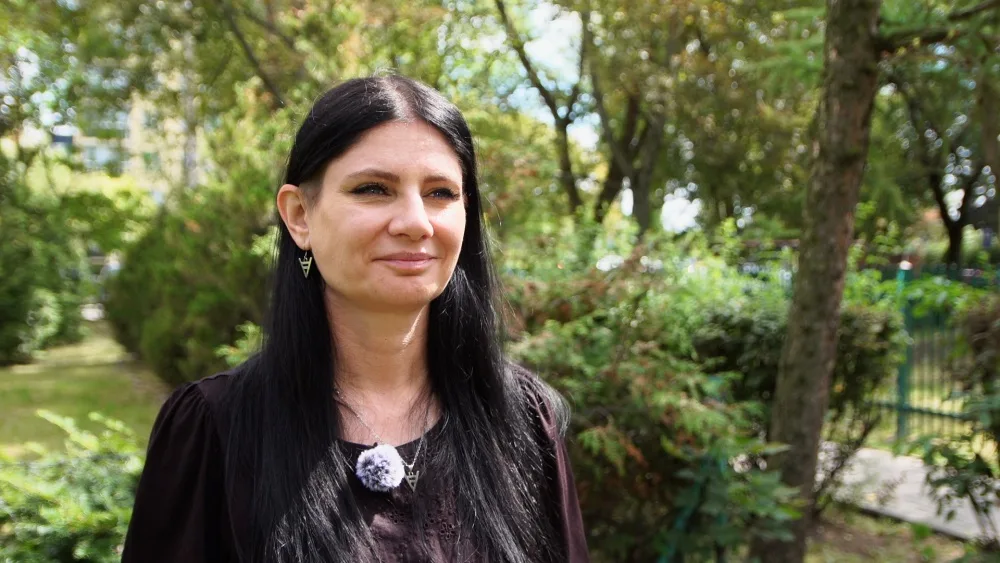
Anna Jupowicz-Ginalska, a professor at the University of Warsaw’s Faculty of Journalism, Information and Book Studies, told Newseria that today’s information environment includes not only fake news and deepfakes but also ‘malinformation’ — content containing genuine elements that are presented with a misleading date, author or purpose.
Social media is the main source of false narratives
Among people who encountered fake news, 66% pointed to social media as its source, up from 55% two years earlier. The report also highlights the role of emotion: 57% believe social-media algorithms more often promote content that triggers anger, outrage or fear. Despite this awareness, one in five respondents sometimes shares or comments on information under the influence of strong emotions.
False narratives are particularly visible in energy, health, politics, climate and technology. Among examples tested in the survey, 54% believed the false claim that electric cars catch fire more often than combustion-engine vehicles, 52% accepted the claim that genetically modified food is harmful, and 48% believed that replacing cash payments with cards is intended to enable surveillance and account blocking based on political views.
91% believed at least one false claim
The scale of susceptibility is significant. While 91% accepted at least one false statement as true, 19% believed at least half of the false narratives presented to them and 11% accepted almost all of them. The problem therefore extends across several subjects rather than being confined to a single area.
At the same time, more than 60% of EU residents say they can identify false content, according to Eurobarometer, while almost one in three are unsure whether they would recognise manipulation.
Fact-checking services are still used by a minority
Seventy percent of Poles say they verify information. Search engines are the most common tool, used by 41%, followed by nationwide news portals at 33%. Only 13% use specialist fact-checking services.
Experts argue that media literacy is therefore becoming a core element of societal resilience. This includes learning how to verify sources, understand the mechanics of troll farms and influence campaigns, recognise emotionally manipulative content and use dedicated verification tools. Cooperation between media organisations, schools and universities is seen as an important part of building resistance to disinformation and hybrid threats.
Source: Newseria; Digital Poland Foundation, ‘Disinformation Through the Eyes of Poles 2026’; Eurobarometer.



