


Demand for office space in Poland is increasing, particularly in regional cities, reversing the trend of companies reducing their office footprints. Businesses are once again expanding their workspaces as the return-to-office trend strengthens.
“The growing need for employees to return to stationary work is a positive signal for the office sector. While new office investments remain scarce, leasing interest is rising, especially in regional markets in recent months. Another good sign is the growing average lease size,” said Mateusz Strzelecki, Partner / Head of Tenant Representation at Walter Herz. “Regional cities are ahead of Warsaw in terms of demand and the number of projects underway. Meanwhile, Warsaw continues to lead in new supply, which is minimal in regional markets this year.”
Regional Demand Surges
Across all office markets, lease renegotiations dominate, with companies preferring to extend contracts rather than relocate due to high moving costs. This trend is particularly visible in Kraków and Wrocław, where contract renewals are most common. However, Poland’s largest cities are now also experiencing a strong increase in demand for new office space.
By mid-2025, nearly 400,000 sq. m. of office space had been leased across Poland’s eight largest regional markets outside Warsaw – a 50% increase year-on-year in Q2. In Warsaw, leasing activity reached around 300,000 sq. m., similar to the previous year.
Kraków has been the standout market, recording demand volumes comparable to Warsaw. Walter Herz estimates that by mid-year, Kraków secured over 170,000 sq. m. of new leases, Wrocław over 80,000 sq. m., and the Tri-City more than 50,000 sq. m. Outside Warsaw, the IT sector and business services companies remain the primary drivers of demand.
New Projects Only in Warsaw
High construction costs and persistent vacancy levels – averaging above 17% in regional cities – have discouraged developers from launching new projects. Regions saw virtually no new supply this year, apart from a small office building completed in Poznań.
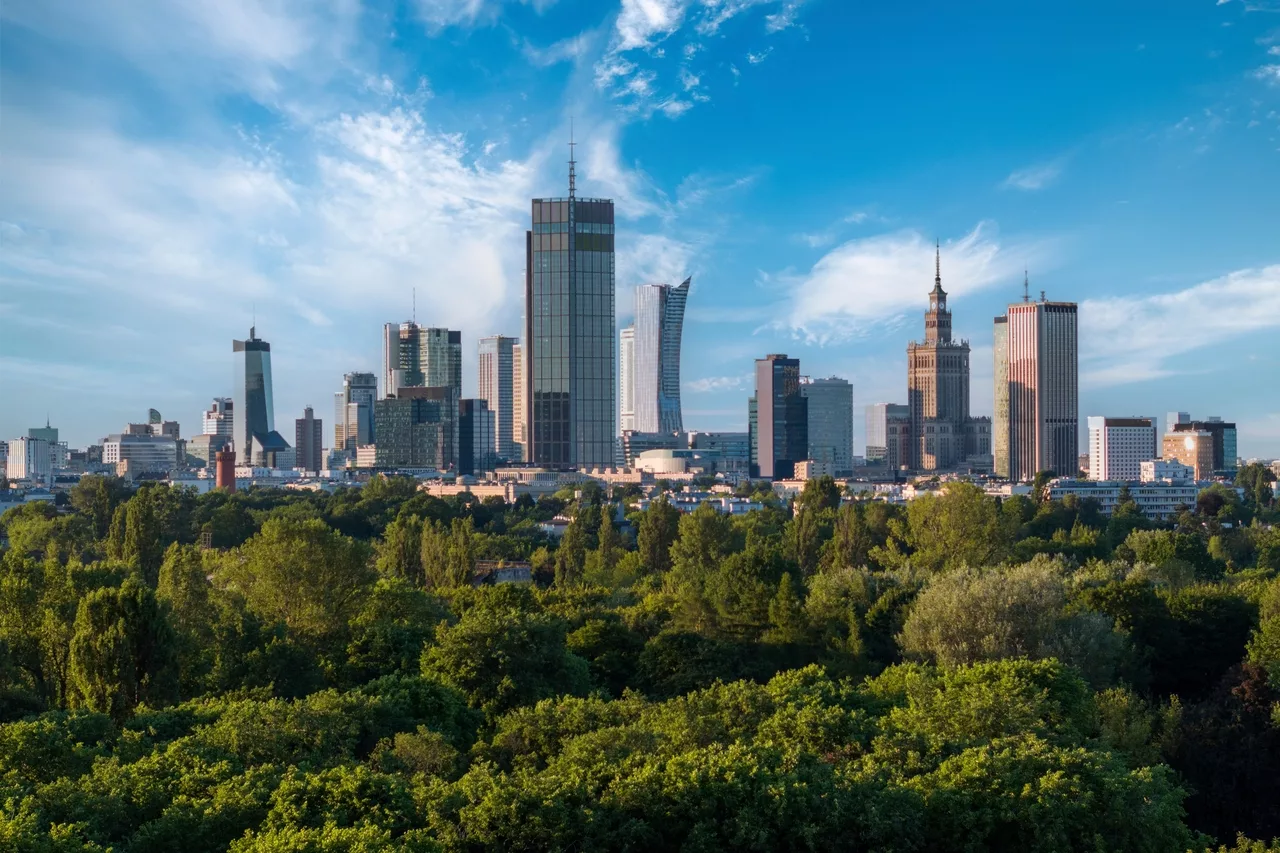
In Warsaw, however, 85,000 sq. m. of new office space was delivered in H1 2025 across four projects, including The Bridge (47,000 sq. m.) and Office House (27,000 sq. m.) within the T22 mixed-use complex. Later this year, projects such as V-Tower (32,000 sq. m.) and Studio A (26,000 sq. m.) are scheduled for completion.
Other major developments under construction include Skyliner II and Upper One, with further projects planned such as new buildings within the VIBE complex, an office project at Towarowa 22, and LightOn Warsaw (23,000 sq. m.) at Prosta Street. Warsaw’s vacancy rate remains stable at around 10%.
Limited Pipeline Nationwide
Currently, just over 320,000 sq. m. of office space is under construction across Poland – 190,000 sq. m. in regional cities and 130,000 sq. m. in Warsaw. Kraków leads regional development with around 65,000 sq. m. underway, followed by Poznań with more than 50,000 sq. m.
If developers meet their delivery schedules, Poland’s total office stock could grow by more than 200,000 sq. m. of new space by year-end, according to Walter Herz analysts.



