


After cancer treatment ends, many patients find it difficult to return to normal life. They fear recurrence, cope with complications of the disease and treatment side effects, and research shows high levels of anxiety and depression. Returning to work and rebuilding family life can also be difficult. Survivors need psycho-oncological support after treatment, but Poland lacks thousands of specialists.
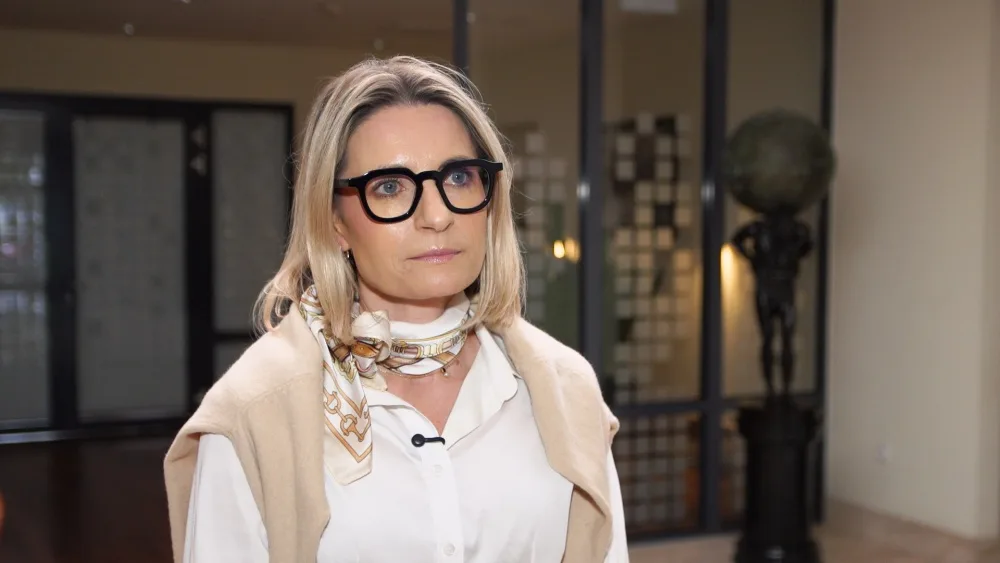
“Psycho-oncological support is important not only at the beginning of the disease and during treatment, when patients experience an emotional rollercoaster connected with chemotherapy, radiotherapy or surgery, but also when they are told that treatment has ended,” Dr Milena Lachowicz, a psycho-oncologist at the Medical University of Gdańsk, told Newseria.
She says psychologists play an important role in reducing fear and stress in people who have completed treatment and may still worry about recurrence or rapid progression of metastatic disease.
“Patients often focus on the five-year mark, after which they expect everything to disappear — including stress, concern and fear. But that is not how it works. We also have to remember that cancer treatment itself can often lead to mood disorders,” she explained.
A meta-analysis published in Psycho-Oncology in 2025 found that almost one in four patients who had survived at least three months after a cancer diagnosis experienced anxiety, a similar share suffered from depression, and more than 34% had sleep disorders. The authors also analysed how outcomes changed with time after diagnosis. Although the overall incidence of mental-health problems declined over time, such difficulties continued to affect people who had completed treatment. The analysis covered 147 studies and 135,015 cancer survivors from 31 countries.
According to Lachowicz, patients often struggle to return to the roles they had before illness in their jobs, social lives and families.
“Returning to normal life after cancer is possible, but we have to accept that it may not be the same life as before the illness. Roles change, self-image changes, because patients may have undergone disfiguring procedures, experience brain fog caused by systemic treatment, mobility problems or difficulties related to mental health and cognitive processes,” she said.
The return to everyday life requires not only specialist help, but also support from relatives and understanding from employers.
“It is important for a survivor to feel secure in knowing they can always ask their oncologist when concerns arise. Support from a partner is important, but so is support from an employer who stood by the employee during illness and is willing to help them return to work. Employment provides financial security, but also structure and a sense of purpose,” Lachowicz said.
Not every person completing cancer treatment can count on such a scenario.
“There are cases in which patients cannot return to the job they previously held. Cancer can also disrupt relationships between partners, which is another reason psychological support is so important,” she added.
Poland does not have representative national data showing how many cancer survivors return to work. European studies suggest that most people who were professionally active at the time of diagnosis are able to return. Depending on the study, return-to-work rates range from 60% to 92%, although this does not always mean going back to exactly the same working pattern.
A German study suggests that returning to work may be associated with better mental health among cancer survivors. In a group of 430 patients under the age of 65 who had been working before diagnosis, 73.7% returned to employment within a year. Those who did not return had higher levels of depression, anxiety and distress. The groups did not differ significantly in socio-demographic characteristics, although they differed in disease and treatment status.
Lachowicz emphasises that psychological support should go hand in hand with attention to physical well-being after treatment.
“Patients should be shown that psychophysical rehabilitation is something they should allow themselves to use. It is not only about seeing a psycho-oncologist, but also a physiotherapist. Support groups can help, as can physical activity, which is one of the cheapest antidepressants and may also support patients in reducing the risk of recurrence,” she said.
Centrum CBT estimates that Poland needs around 3,000–5,000 psycho-oncologists to meet patient demand. At present, the number is below 1,000.
Another issue is regulation of the profession. Poland’s Commissioner for Human Rights has called for legal changes and alignment with the new law governing the psychology profession. At present, a psycho-oncologist may have a psychology background or only medical training. The Health Ministry has opposed tightening the rules, arguing that this could reduce patients’ access to support.
Patients are entitled to psychological care under the National Health Fund. Highly specialised centres operating within the National Oncology Network are required to provide access to psychological support not only during treatment but also during follow-up.
Demand for oncology services, including psychological care, is expected to rise. According to the World Health Organization, cancer is the world’s second-largest cause of death after cardiovascular disease. Around 10 million people die from cancer each year and 20.6 million new cases are diagnosed. By 2050, the annual number of new cases could rise to almost 35 million.



