

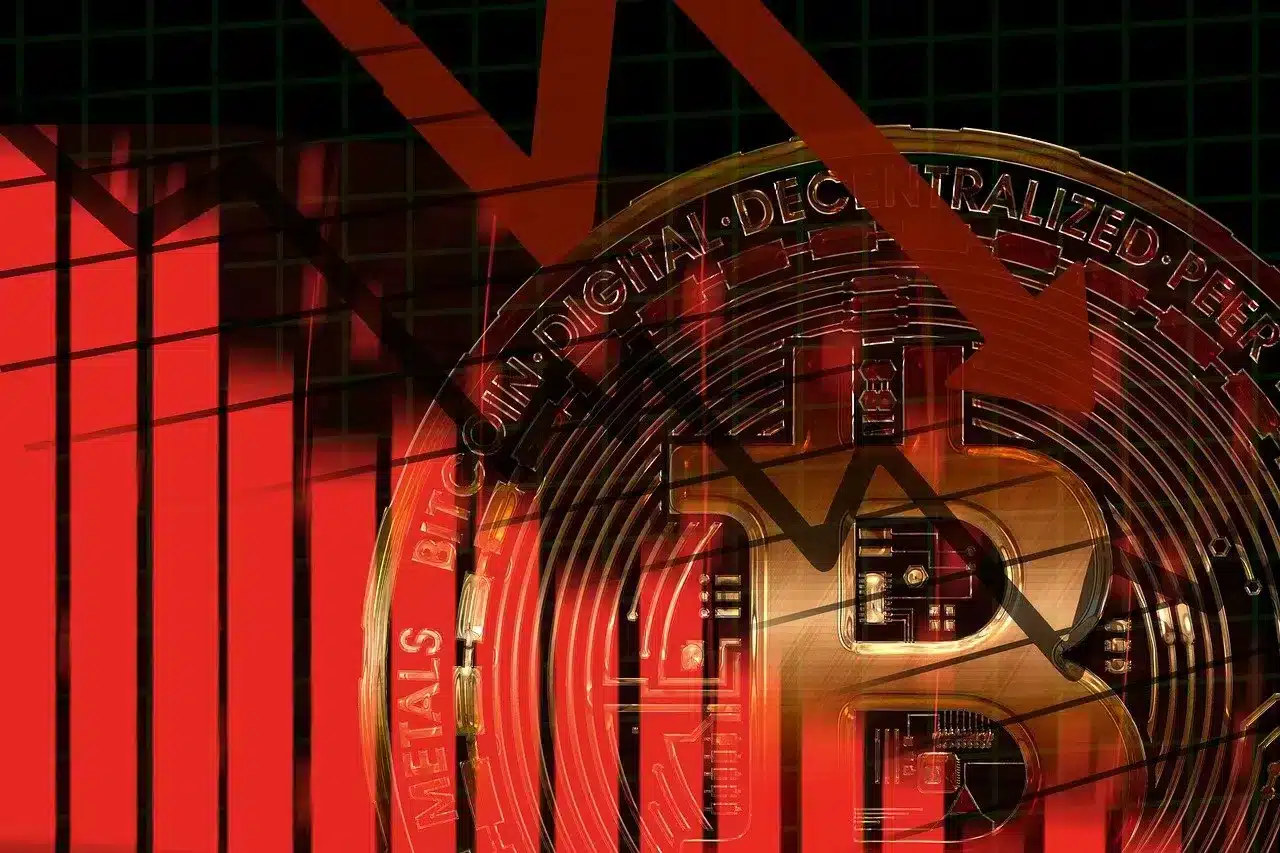
Bitcoin experienced a significant decline, dropping to $81,513 this morning—a decrease of more than 5% within just 24 hours. Only a few days ago, prior to a critical summit at the White House, the cryptocurrency was valued above $90,000, having reached a historic high of $109,000 earlier this year. The current market situation highlights how swiftly investor sentiment can shift in response to political decisions.
The primary reason behind the decline is disappointment among investors over the Trump administration’s recent decision. Although the creation of a strategic Bitcoin reserve was announced, investors had expected the government to actively purchase cryptocurrency, which would have increased demand. Instead, the administration opted for a strategic reserve without active purchasing, disappointing market expectations. Further exacerbating investor unease are escalating trade tensions between the United States and China. Geopolitical uncertainty and tariff conflicts make investors wary of risky assets such as cryptocurrencies.
Despite the immediate negative impact, establishing a U.S. government-backed cryptocurrency fund might eventually lead to greater institutional acceptance. If Bitcoin gains recognition as an official reserve asset by the U.S. government, corporations and investment funds might consider incorporating it into their diversification strategies. Over time, this could encourage broader adoption of cryptocurrencies as part of portfolio management strategies.
Moreover, clear regulations resulting from cooperation between government bodies and the crypto industry could also emerge. Transparent guidelines are essential for the sector’s growth, providing certainty and security for investors and market participants. Regulatory clarity can boost investor confidence and support long-term market stability.
In the long term, despite current setbacks triggered by political and economic uncertainty, the establishment of an official cryptocurrency reserve fund by the U.S. government may significantly strengthen the market position of Bitcoin and other cryptocurrencies within the global financial system.
Krzysztof Kamiński – Oanda TMS
Disclaimer: The content provided here is for informational purposes only and does not constitute financial advice. Before acting on any information, please seek independent professional advice.
Source: https://ceo.com.pl/nagly-spadek-bitcoina-co-stoi-za-5-procentowym-oslabieniem-15427