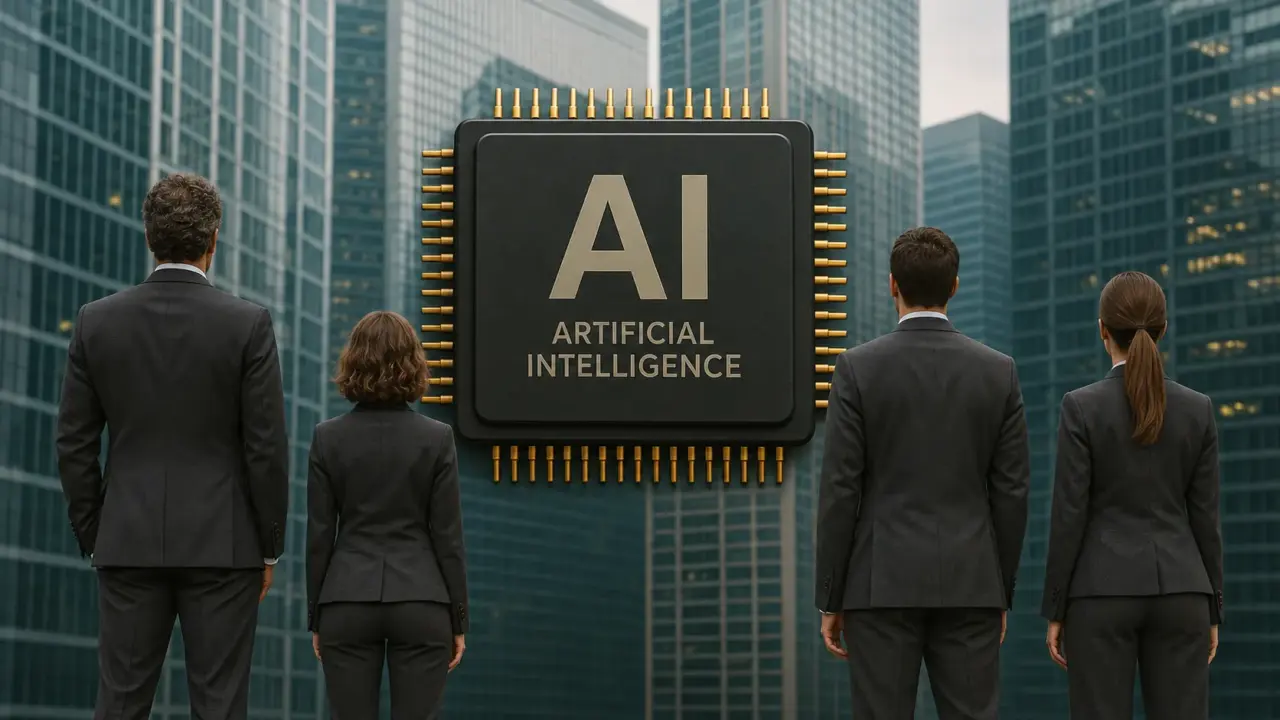
The rapid build-out of artificial intelligence infrastructure is creating another long-term source of demand for industrial metals. Data centres require large volumes of copper, aluminium, steel and specialist materials not only for servers, but also for power grids, transformers, cooling systems and new generation capacity.
Investment managers increasingly argue that the AI boom could reinforce a commodity cycle already shaped by electrification, renewable energy, grid modernisation and defence spending.
Data centres require much more than chips
Attention around AI infrastructure often focuses on semiconductors, but the physical build-out extends far beyond computing hardware. High-density data centres need substantial electricity connections, backup power, cooling systems and transmission infrastructure.
Industry estimates cited in the Polish source material suggest global AI data-centre capacity could reach around 117 GW by 2030. Capital spending by the largest technology companies is expected to remain exceptionally high, with combined annual AI-related data-centre investment potentially exceeding $1 trillion from 2027.
That scale of construction translates directly into demand for copper cable, aluminium, electrical steel and other materials.
Grid bottlenecks are becoming more visible
The constraint is increasingly not the availability of computing equipment alone, but the speed at which power infrastructure can be expanded. Delivery times for some large transformers have increased from roughly 50 weeks in 2021 to more than 120 weeks in 2026.
Longer lead times illustrate how quickly electricity infrastructure has moved from a background issue to a strategic constraint for data-centre investment.
Copper remains central to electrification
Copper is particularly exposed to the trend because it is used throughout electrical networks, motors, transformers and data-centre connections. New mines can take many years to develop, which means supply cannot react immediately when demand accelerates.
Other metals may benefit as well. Aluminium is used extensively in power infrastructure and construction, while specialised alloys are required across energy, electronics and defence applications.
Commodity cycle may be broader than a short-term AI trade
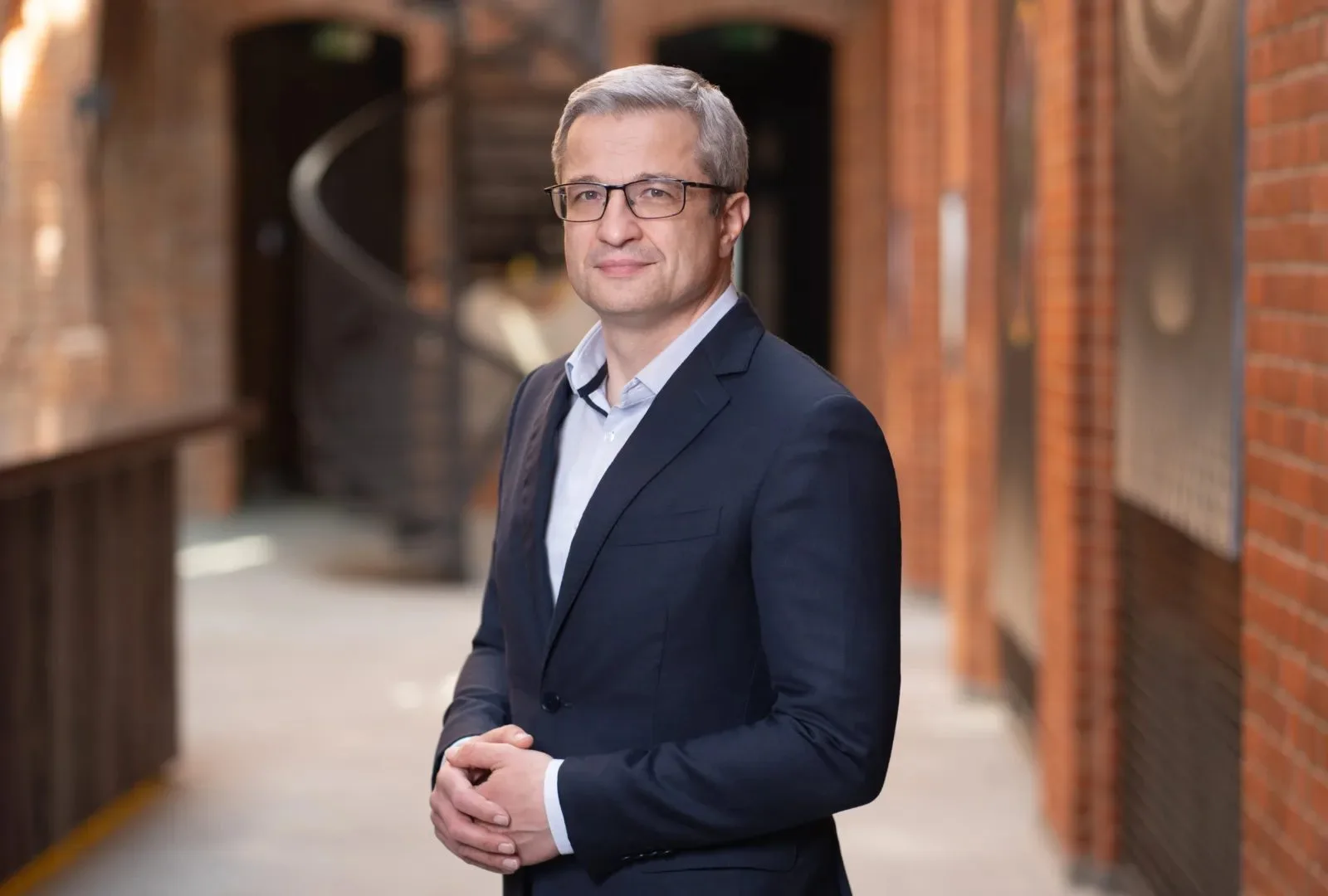
Michał Szymański, CEO of VIG / C-QUADRAT TFI, argues that AI should be viewed as another structural driver rather than the sole cause of rising metals demand. Energy transition, reindustrialisation, grid investment and military spending were already increasing capital needs before the current wave of data-centre construction.
That does not mean commodity prices will rise in a straight line. They remain sensitive to global growth, China, interest rates, inventory cycles and new supply. But the combination of multiple investment trends may keep demand stronger for longer than in a traditional short commodity cycle.
For investors, the key question is whether supply investment can catch up before infrastructure spending peaks. If not, bottlenecks in mining and electrical equipment could remain an important feature of the global economy through the second half of the decade.